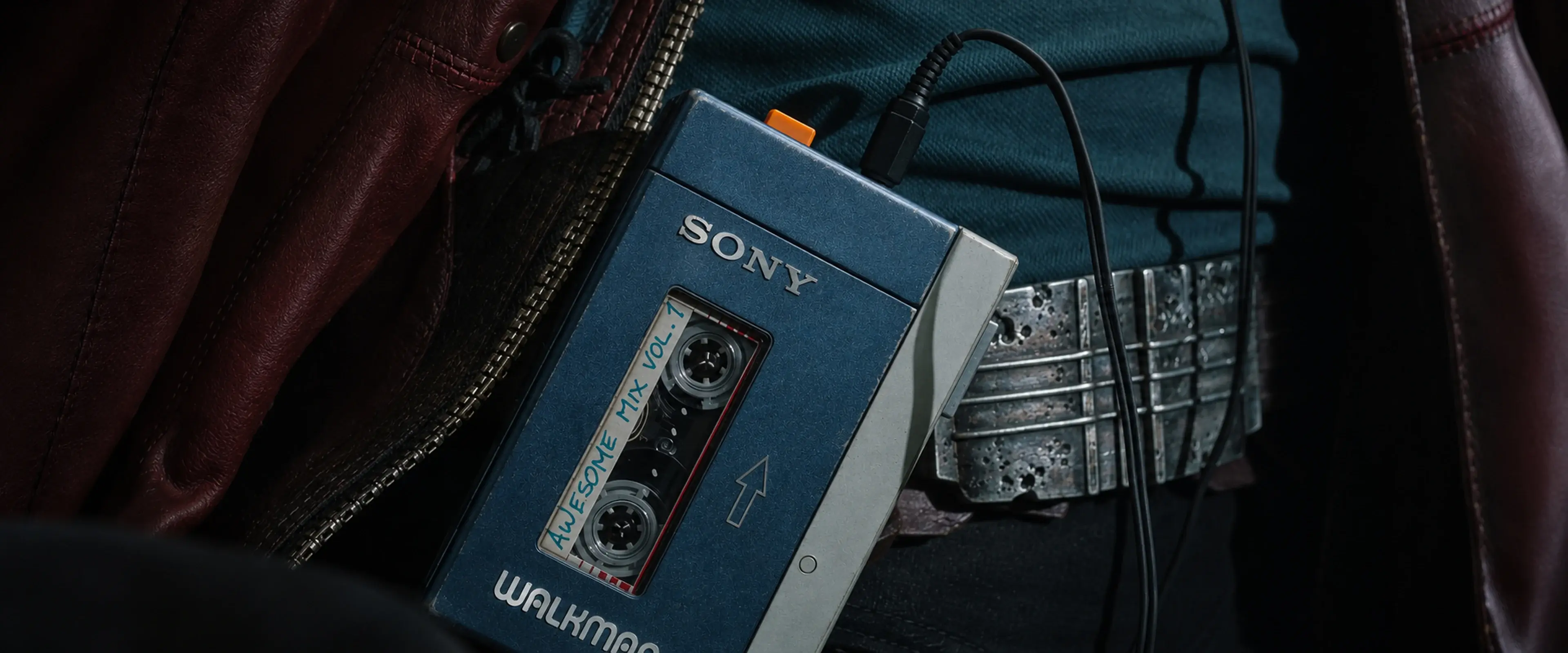
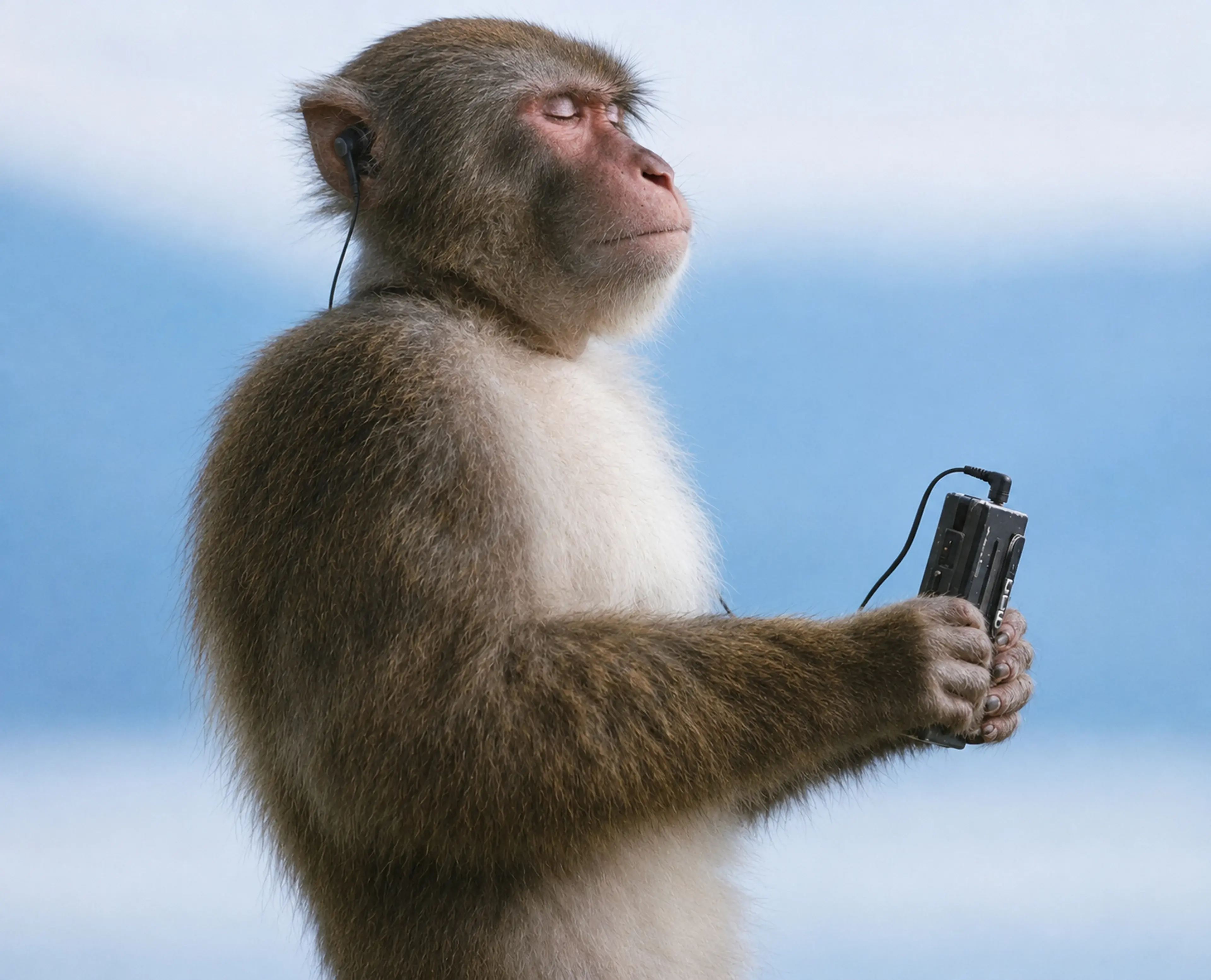
A tribute to the
greatest rectangle
ever made!
進歩はサイズと音質にあらわれた
軽さ280g
メタルサウンドも聴けるウォークマンⅡ

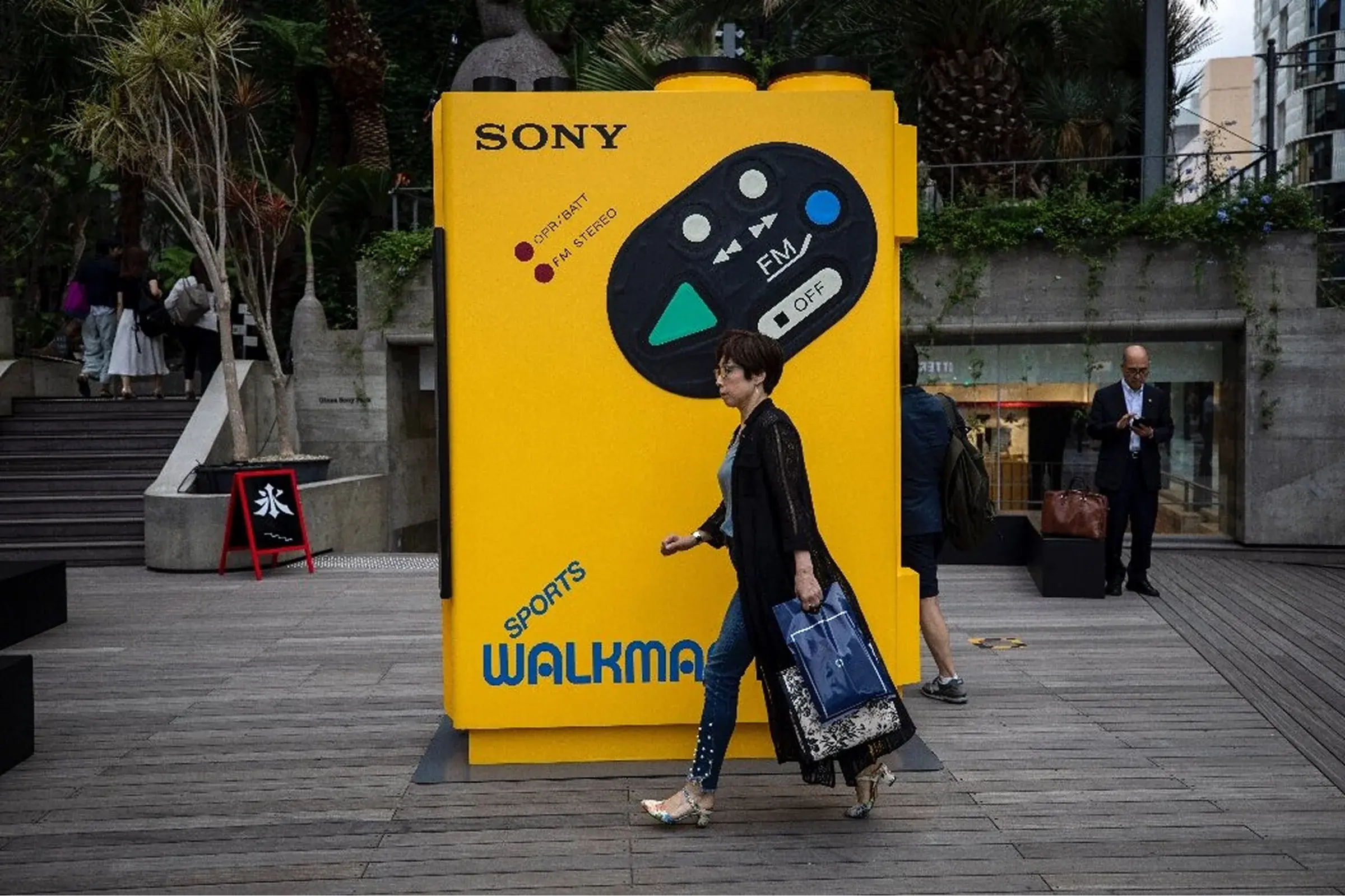
SonyWalkman
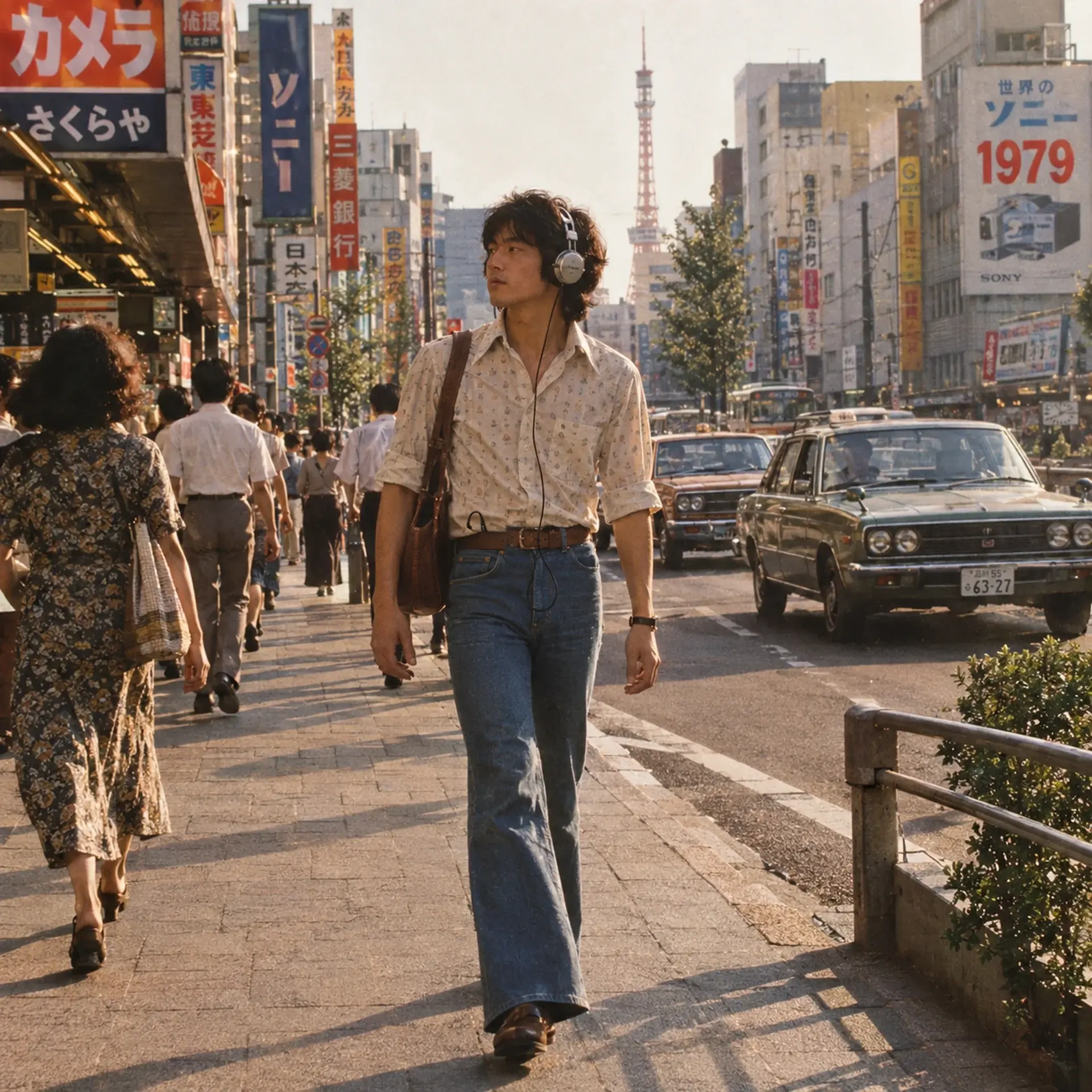
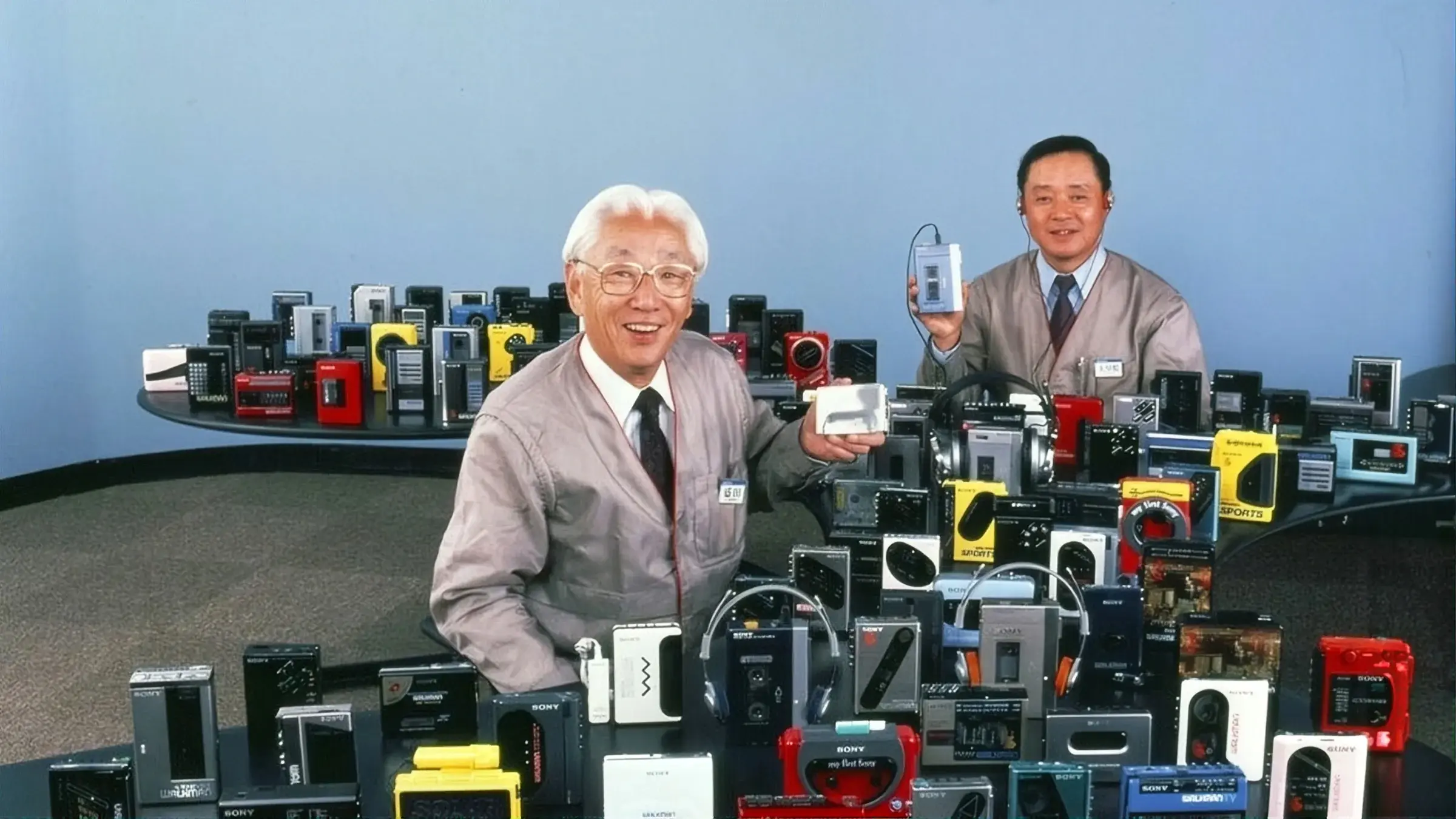
One tape deck, two AA batteries, and a stubborn co-founder who just wanted to hear opera on a plane. That's how the Walkman started. Forty-plus models, three decades, and 300+ variations later, it never really stopped.
テープデッキがひとつ、単三電池
がふたつ、そして飛行機の中でオ
ペラを聴きたいという頑固な共同
創業者がひとり。ウォークマンは
そうして生まれた。四十を超える
モデル、三十年、三百以上のバリ
エーションを経ても、ウォークマ
ンが止まることはなかった。
“I didn't just own a Walkman. I owned the only quiet thirty minutes of my day.”
配信もない
アプリもない
無線もない
ただ回り続ける
テープのリール
あまりに
個人的な音が
世界の聴き方を
すべて変えた
No streaming. No app. No Bluetooth. Just a spinning reel of tape and a sound so personal it rewired how the entire world listens to music.
The Walkman didn't improve on an idea. It invented one. Before 1979, “personal music” meant a boombox on your shoulder or nothing at all. The TPS-L2 changed the terms completely – full stereo sound, headphones instead of speakers, small enough to clip to a belt.
配信もないイヤホンをつけてが普通の
言葉になった音楽のすべては
ここから始まる
八六年には
英語辞書に載る
固有名詞に
言語に溶けた
その名前が
時代を動かした
It’s the reason “put your headphones in” is a normal sentence today. Every iPod, every pair of AirPods, every phone with a music app is running on a blueprint the Walkman drew first.
By 1986, “Walkman” was in the Oxford English Dictionary, a brand name that graduated into the language itself, the same rare air as Kleenex and Band-Aid. It powered the aerobics boom.
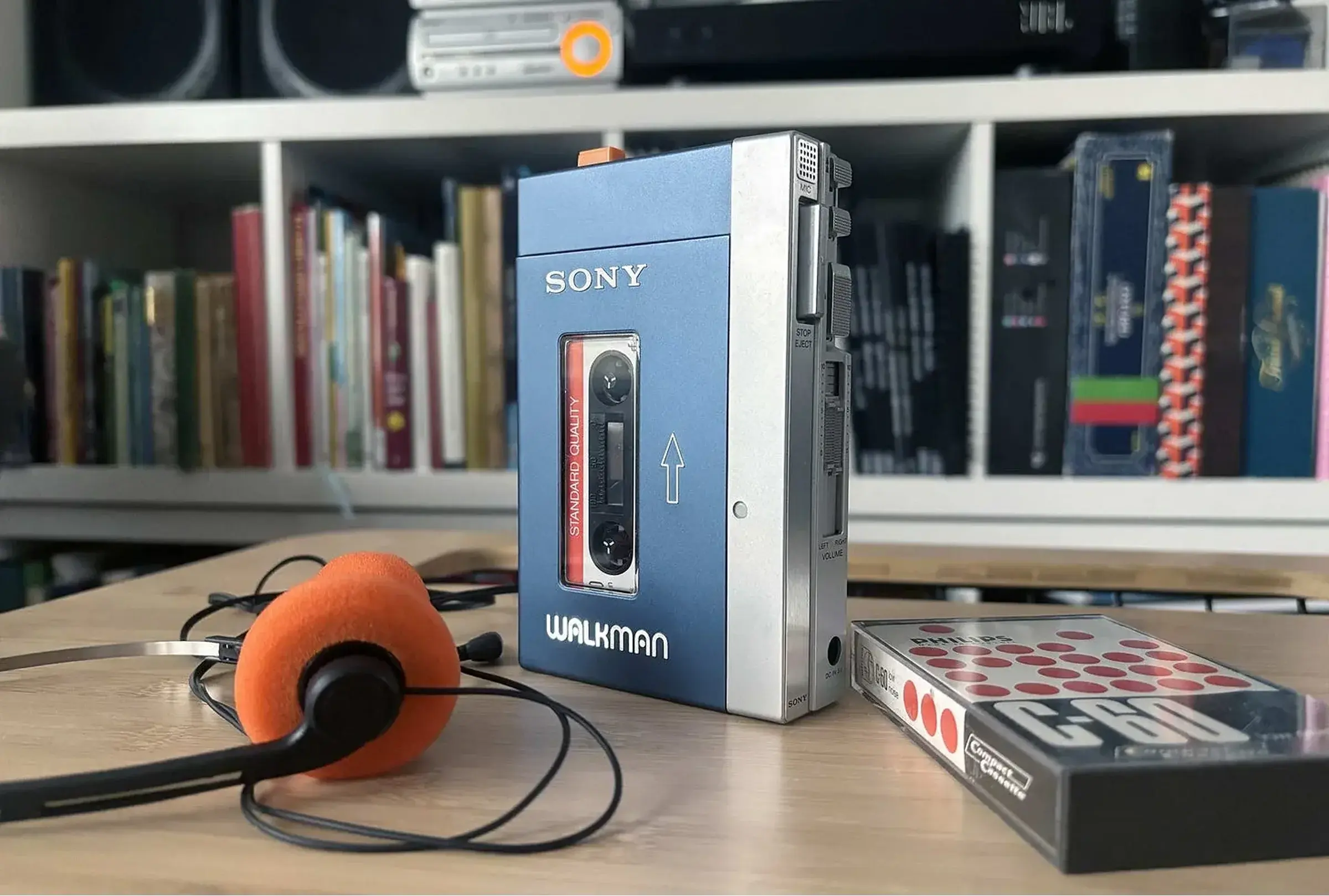
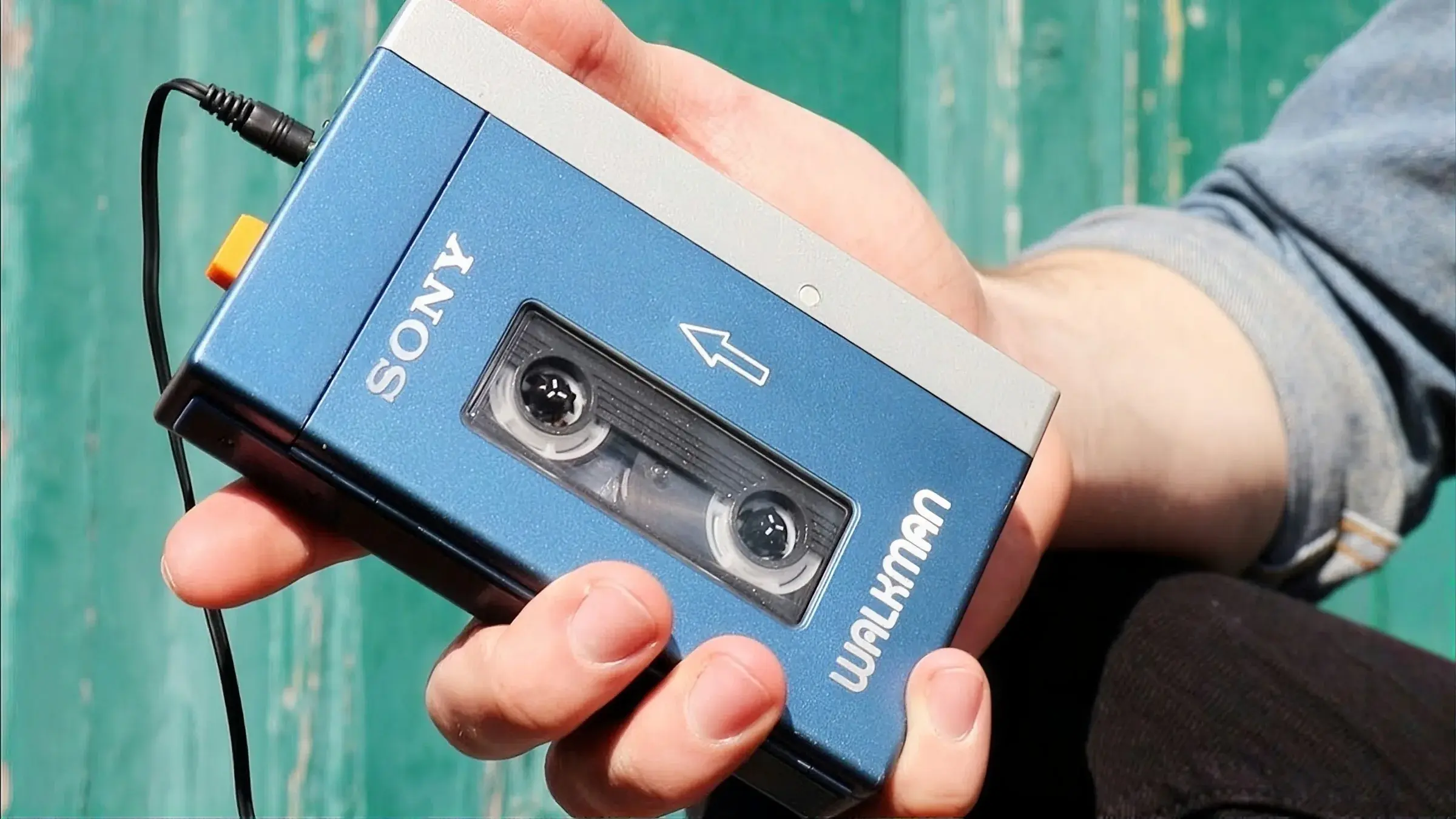
1979
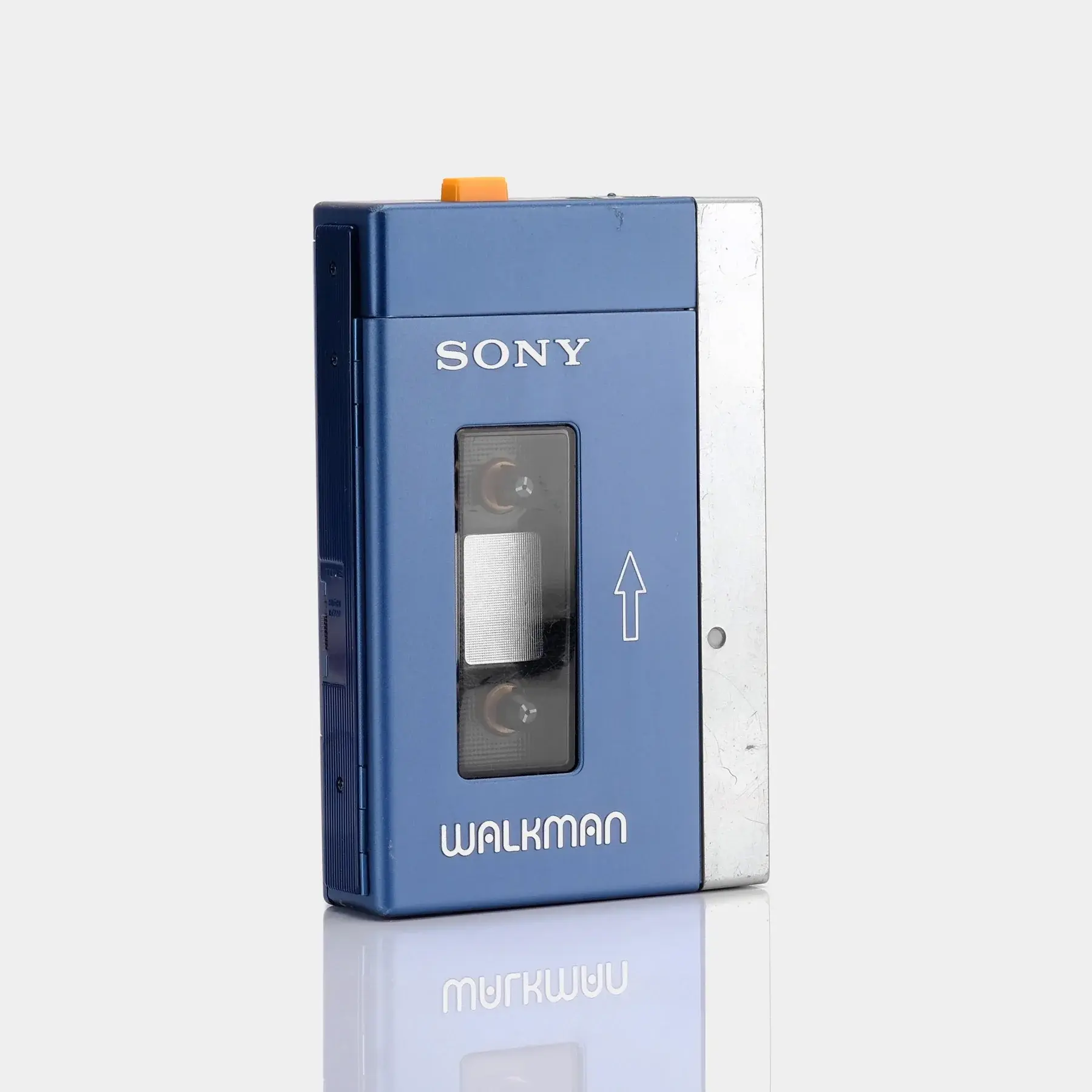
TPS-L2
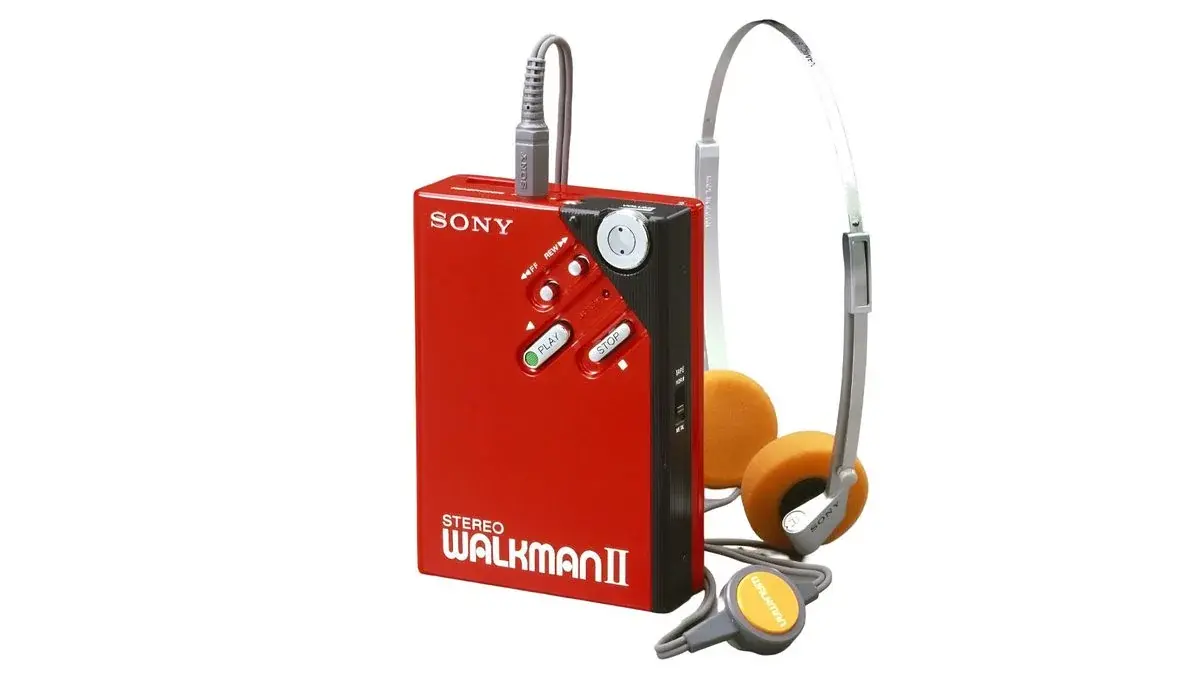
WM-2
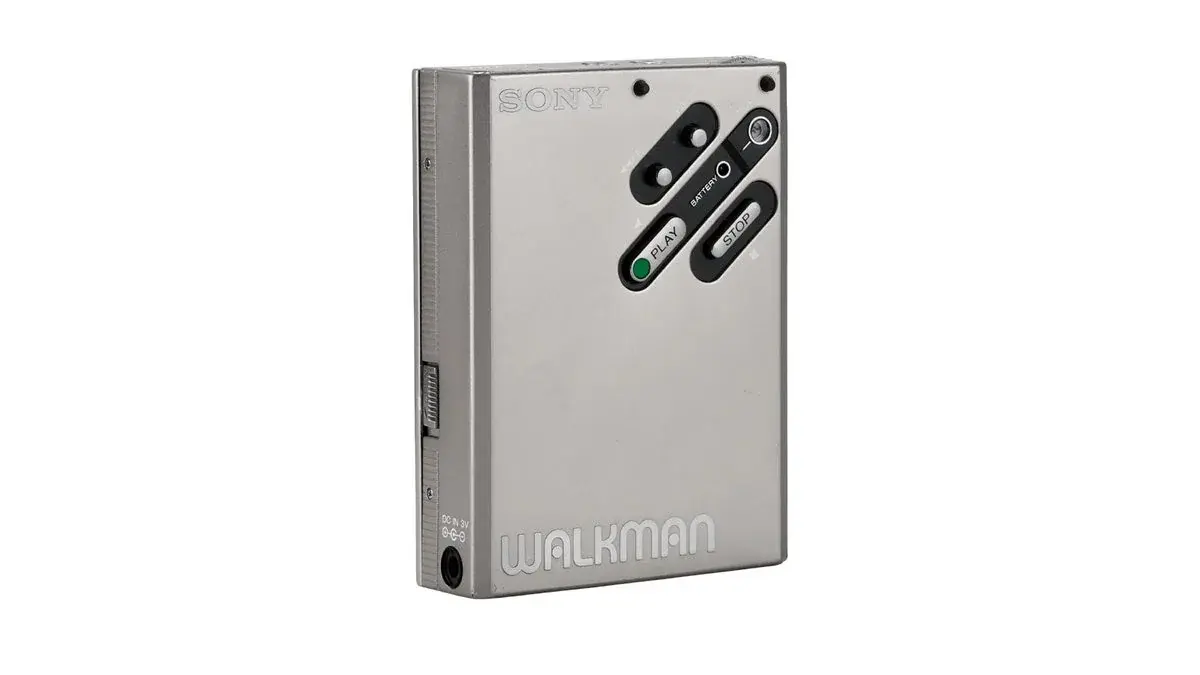
WM-5
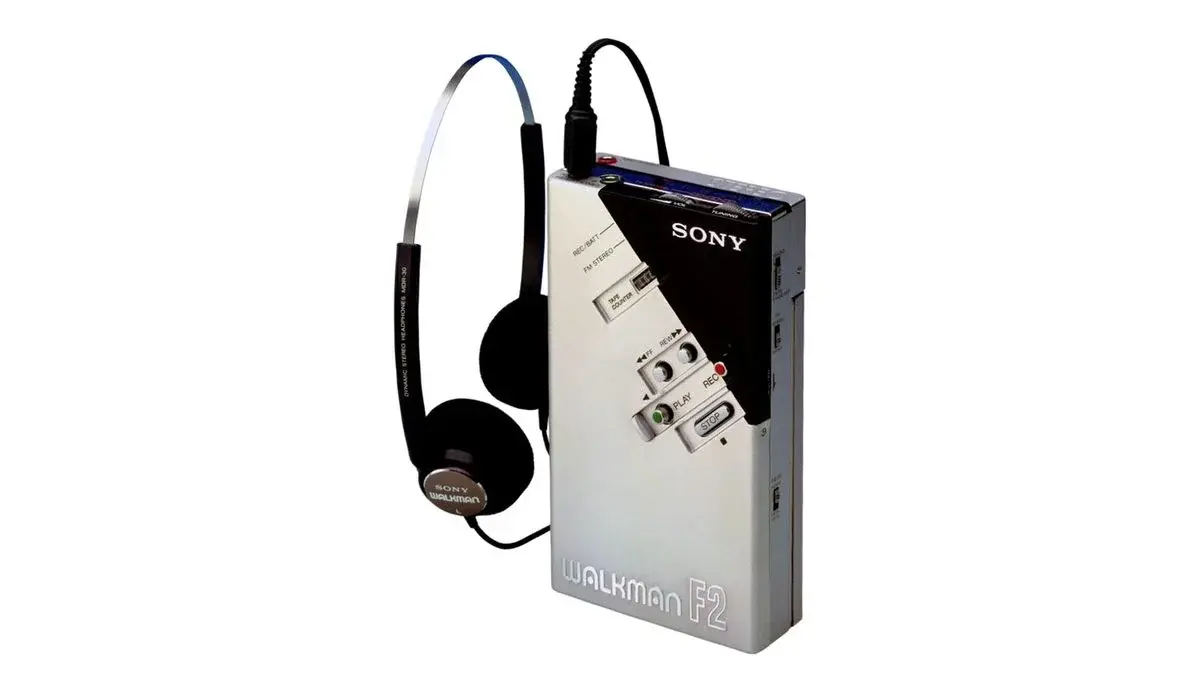
WM-F2
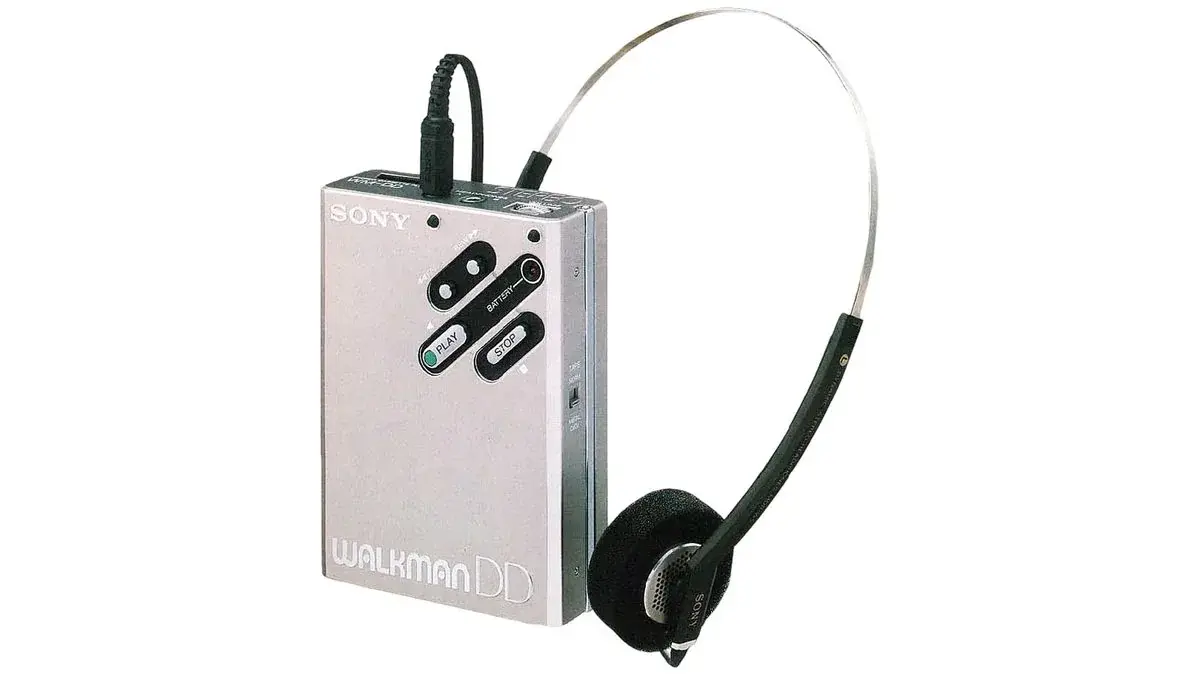
WM-DD
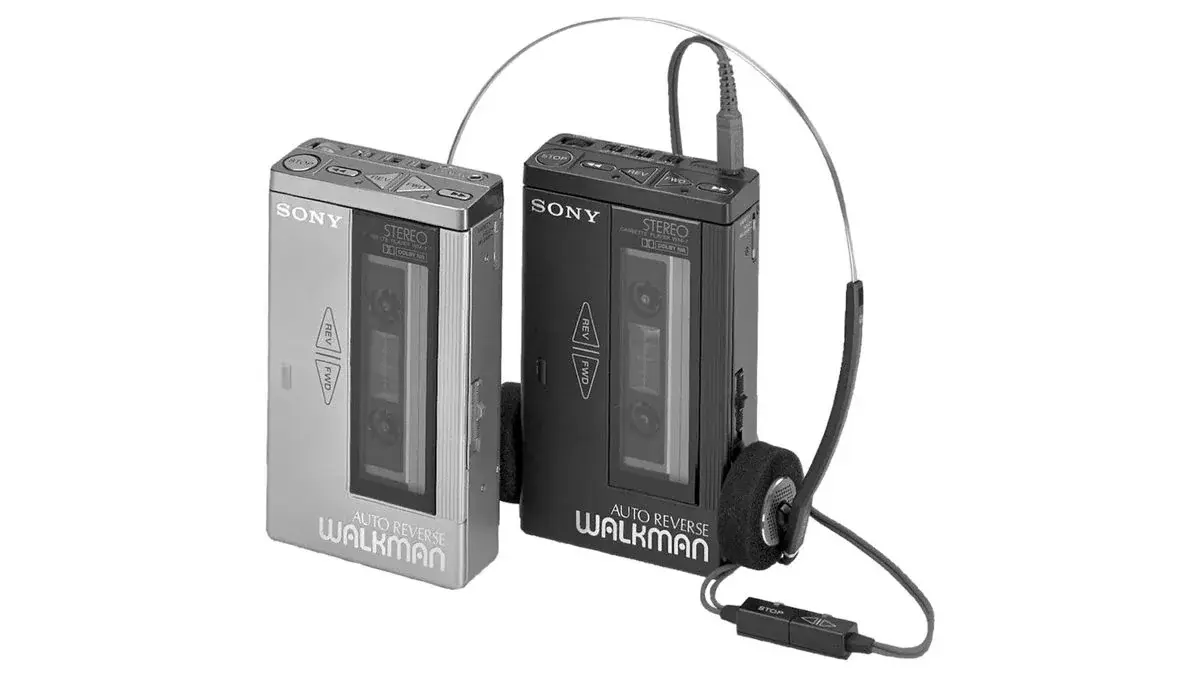
WM-7
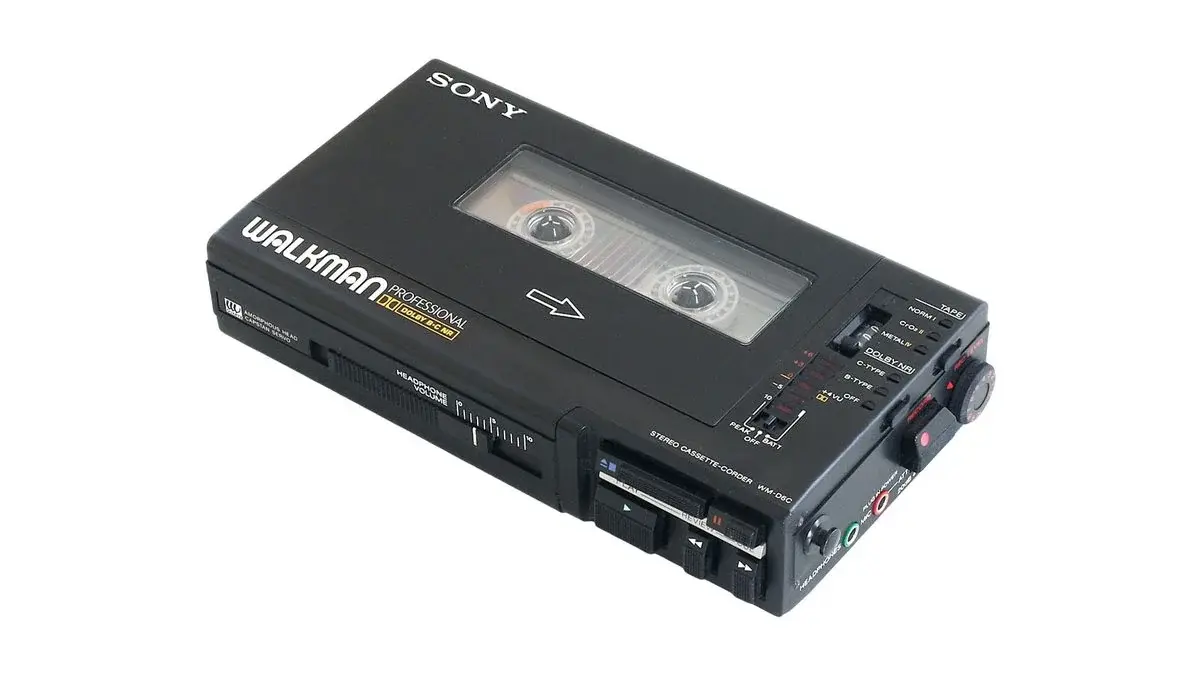
WM-D6
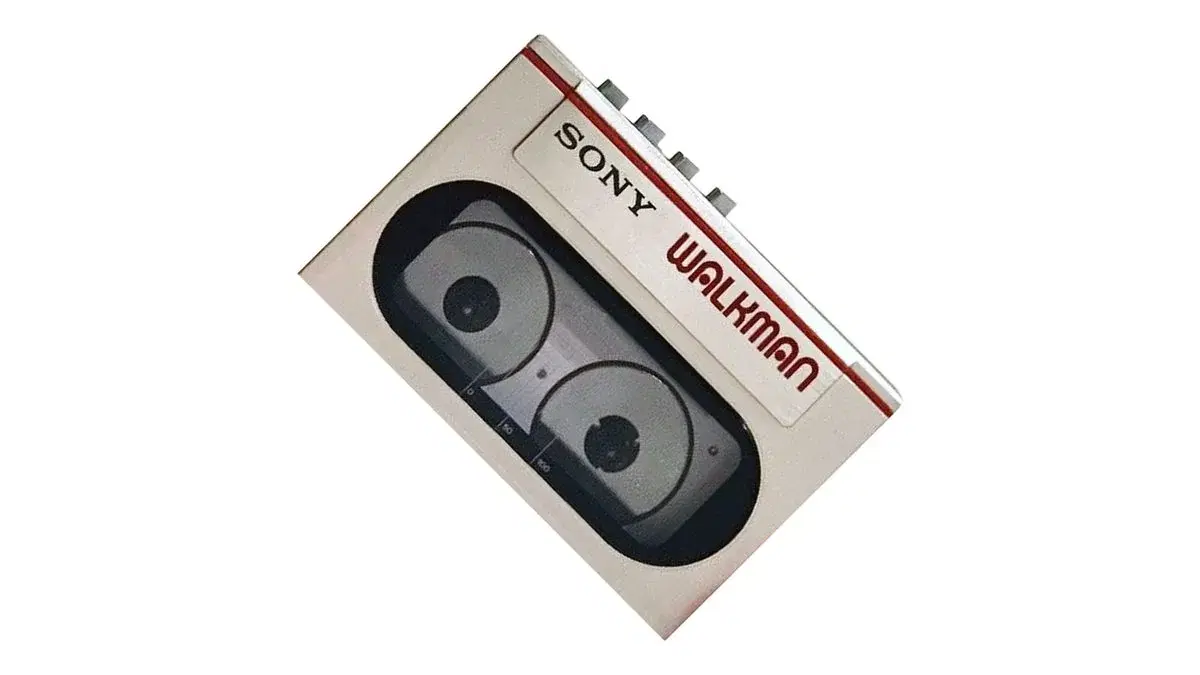
WM-10
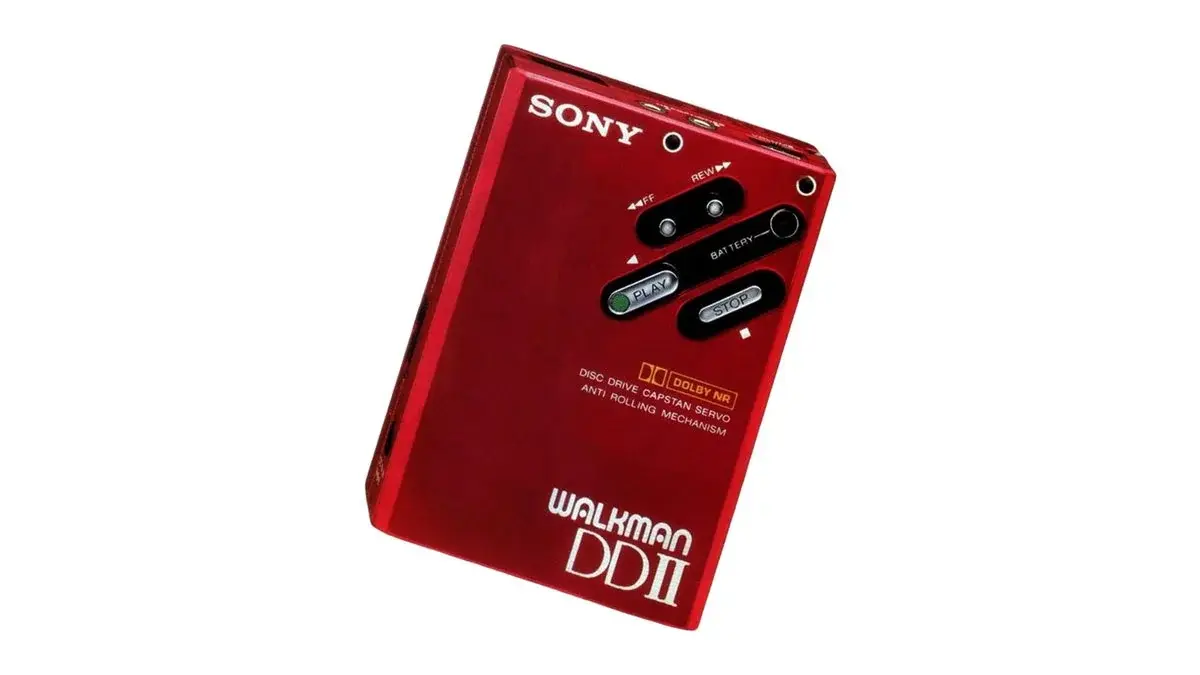
WM-DD2
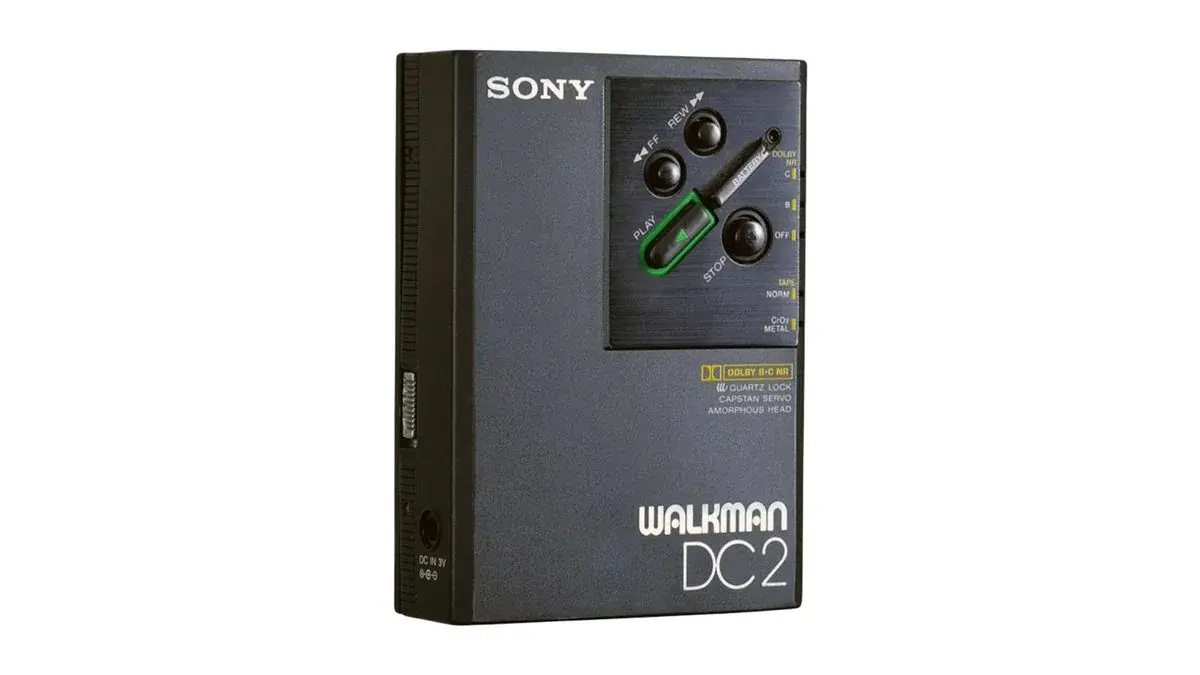
WM-DC2
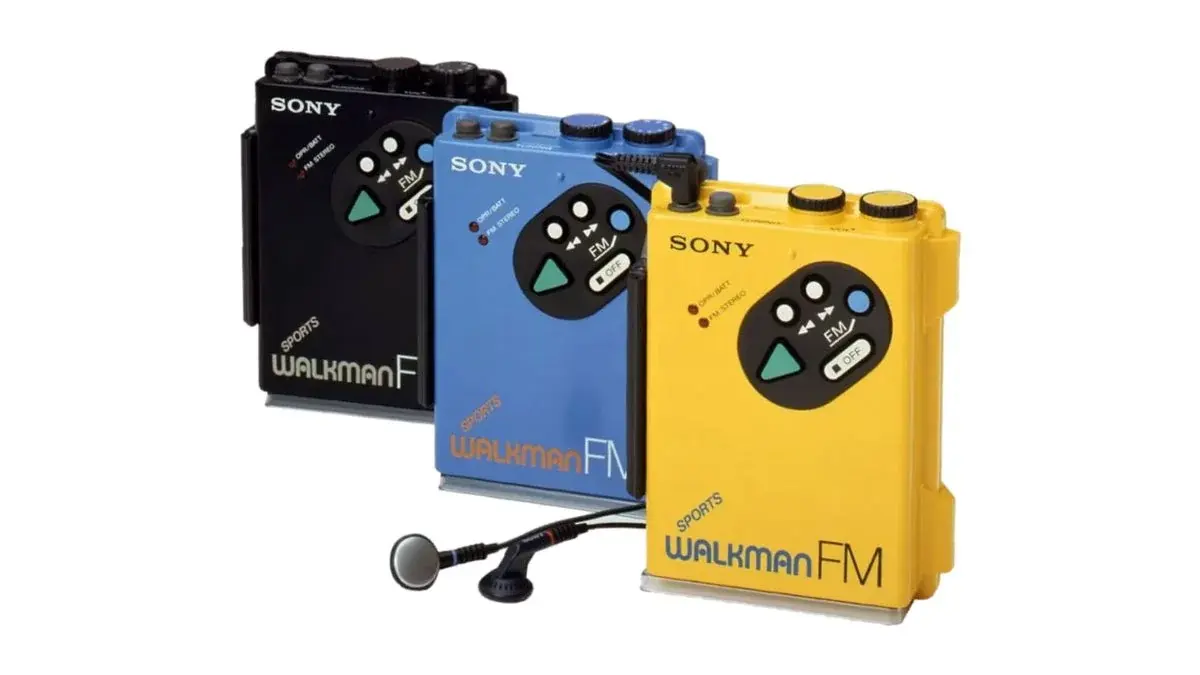
WM-F5
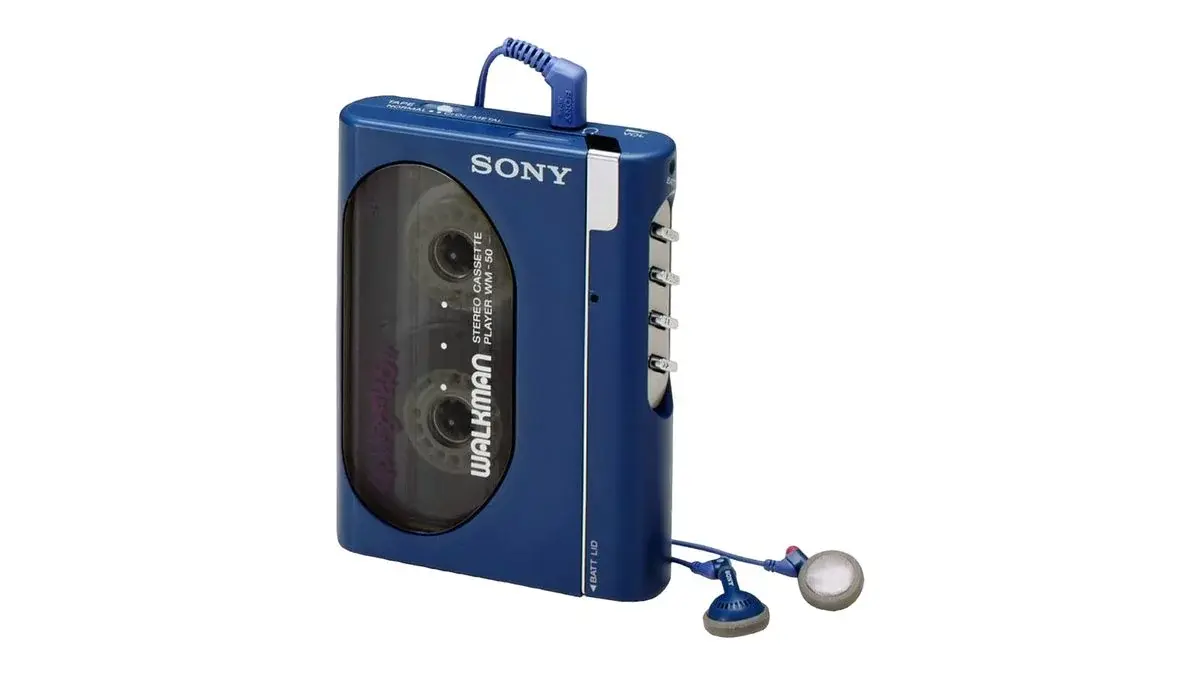
WM-50
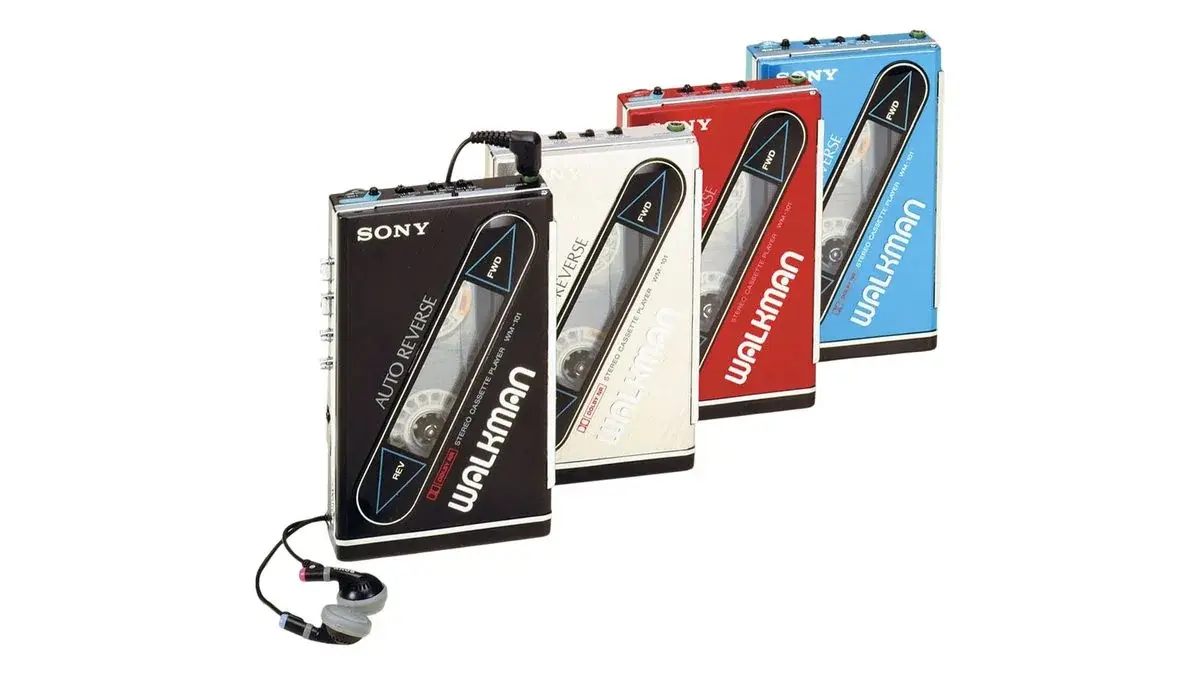
WM-101
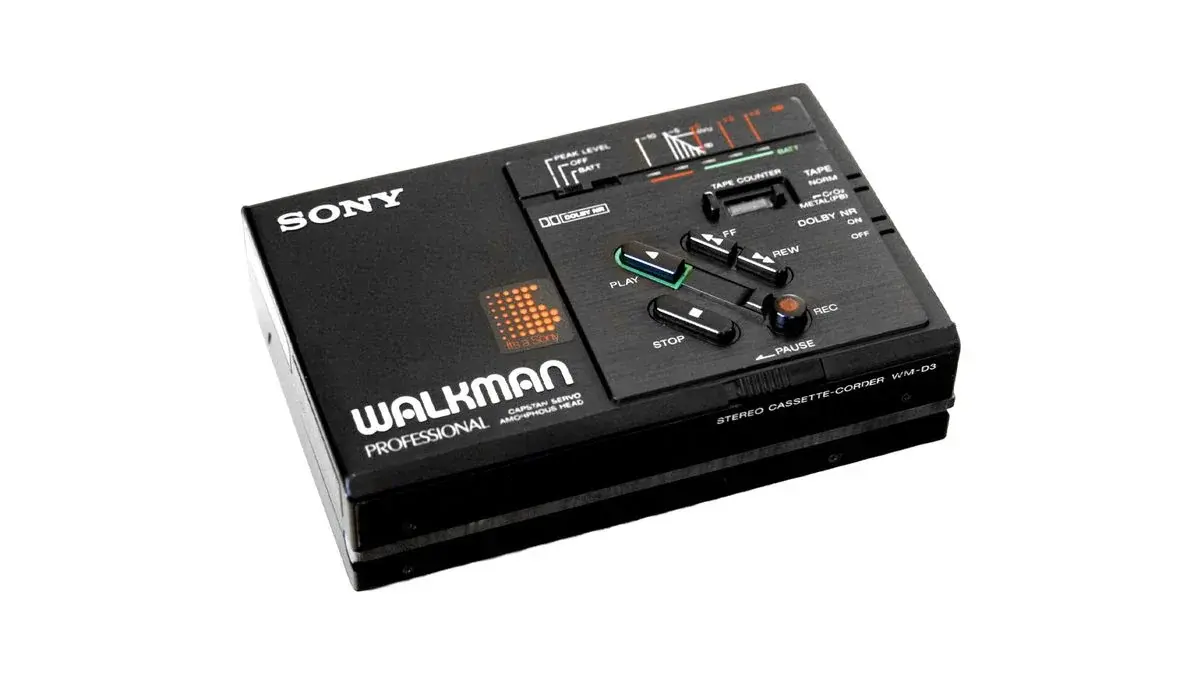
WM-D3
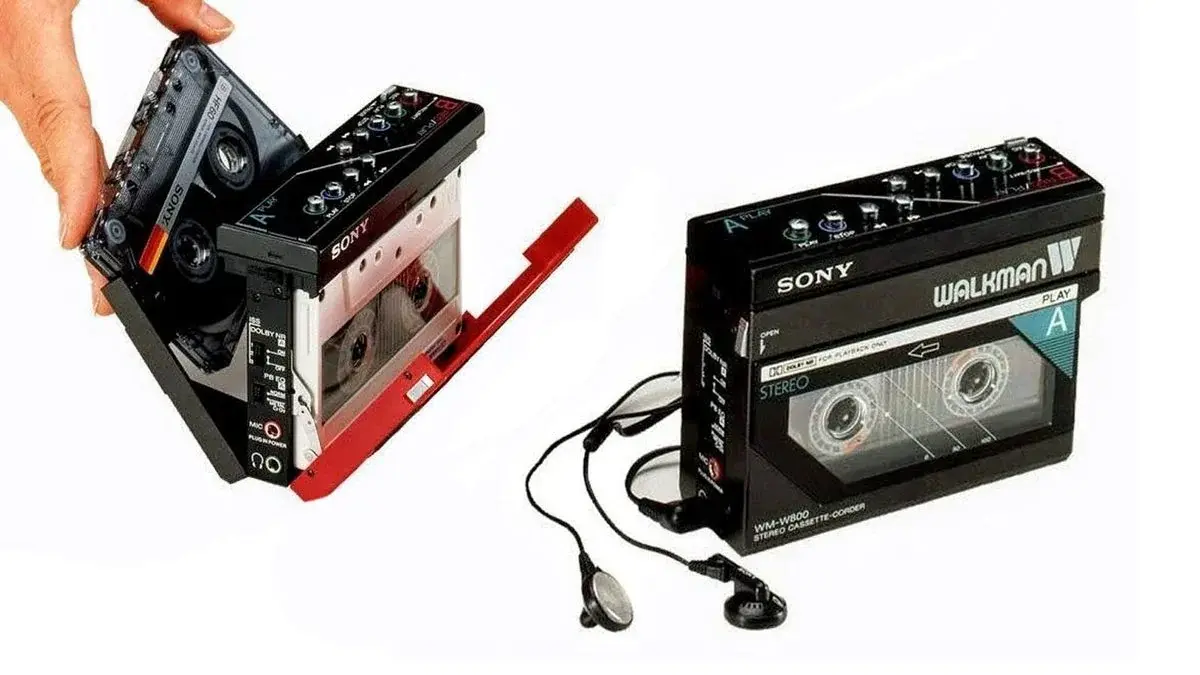
WM-W800
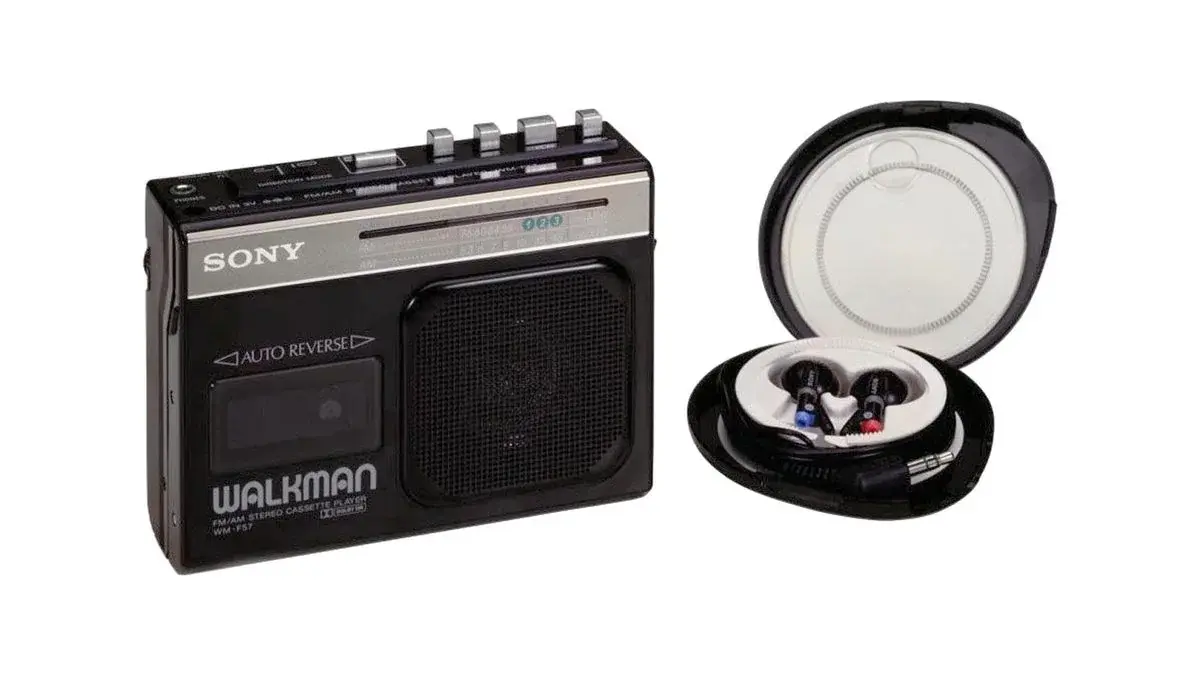
WM-F57
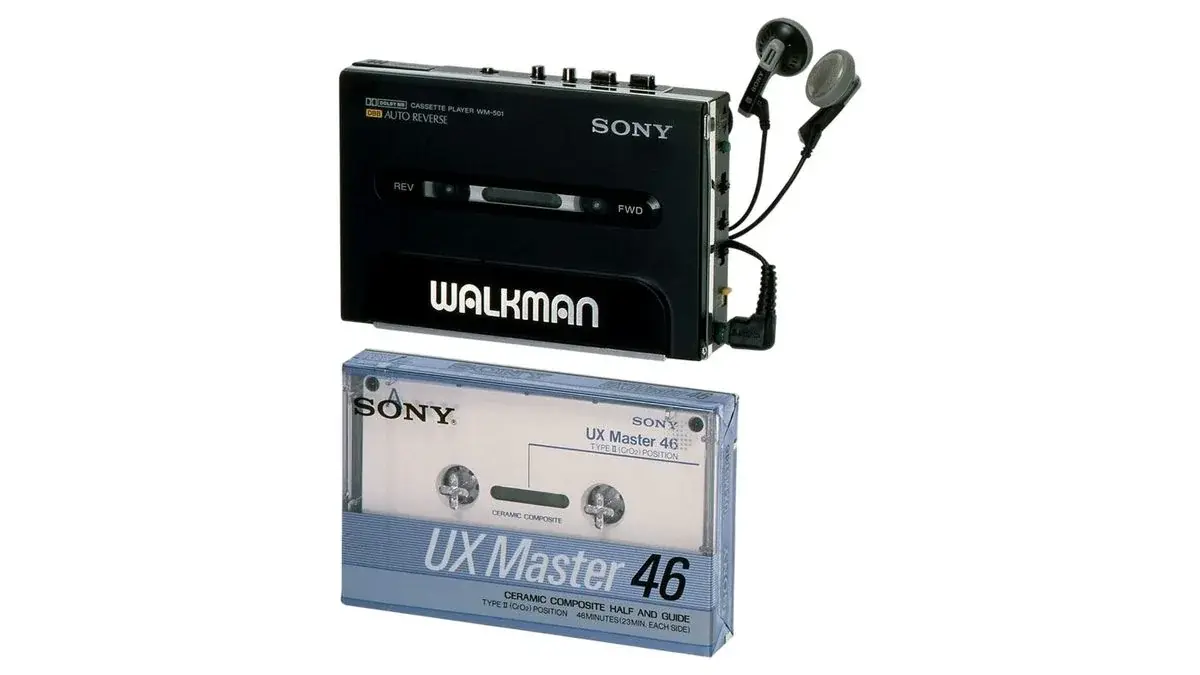
WM-501
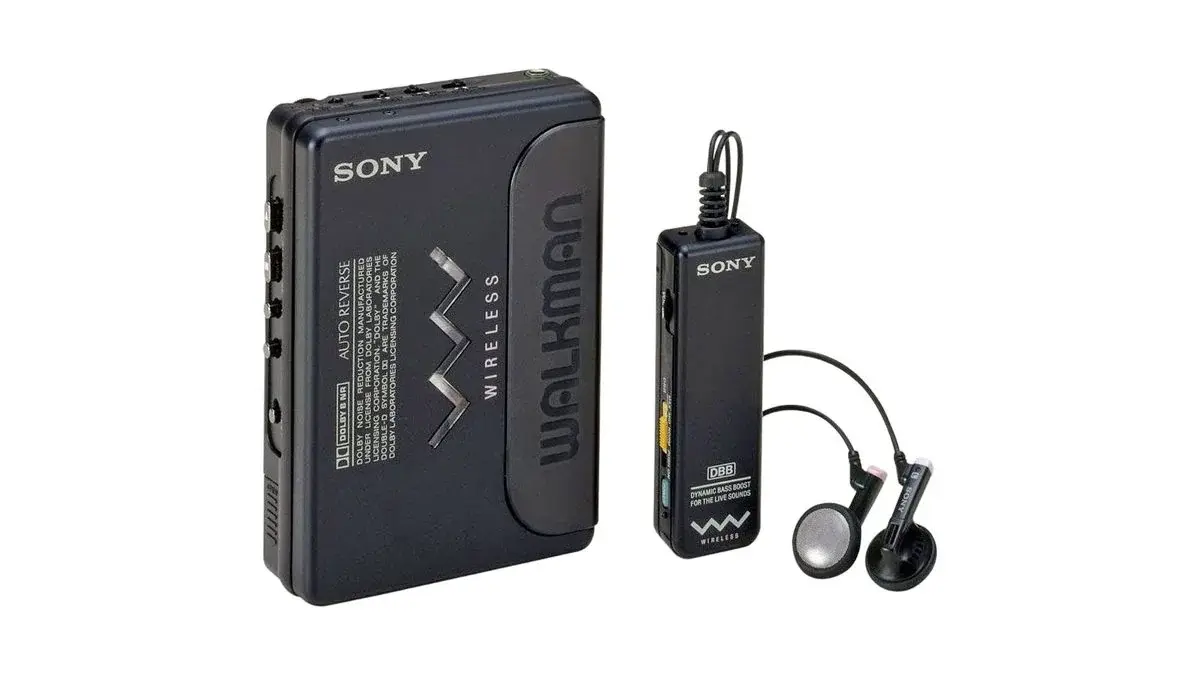
WM-505
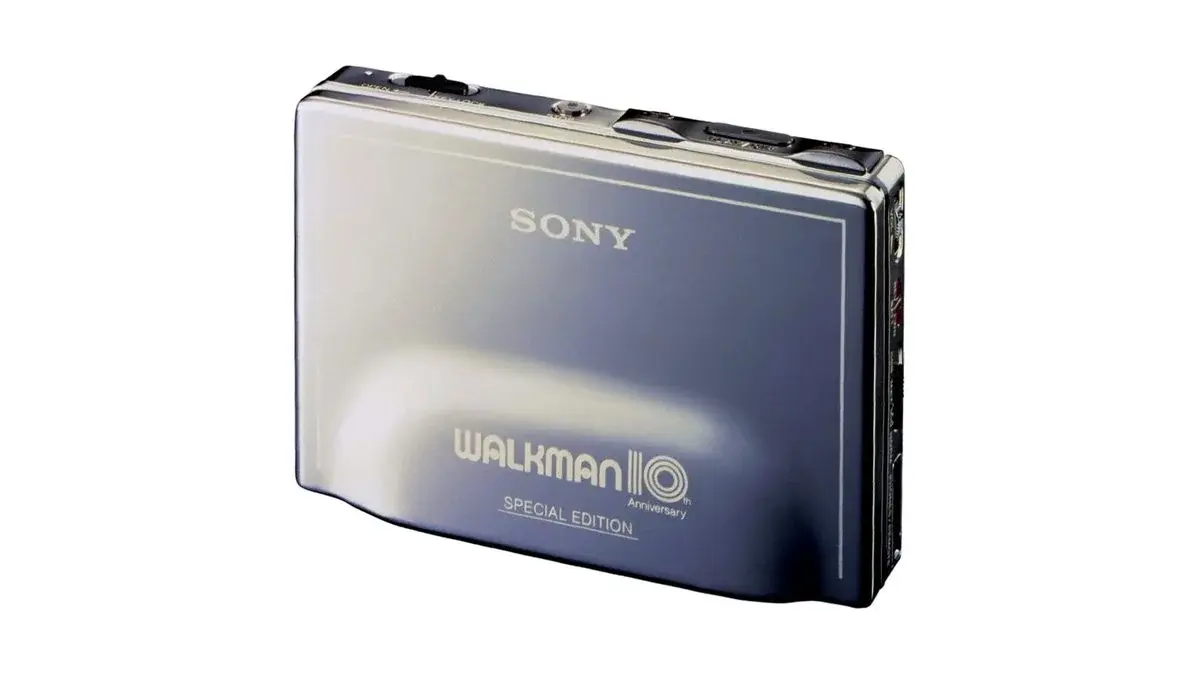
WM-701S
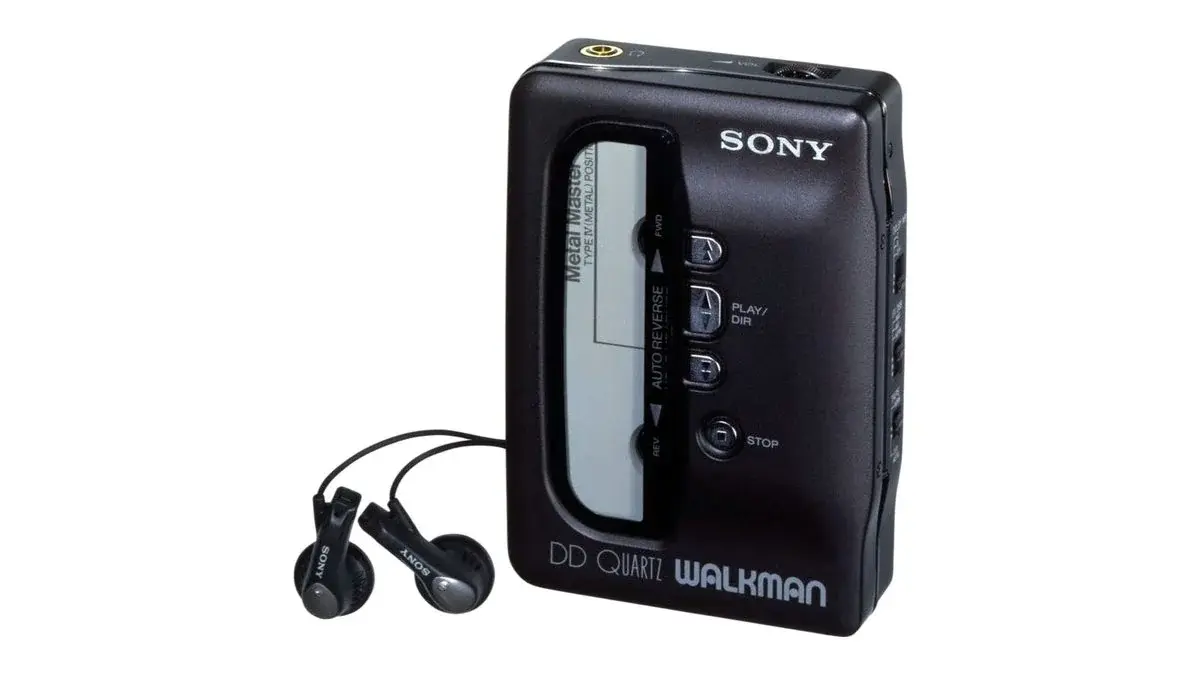
WM-DD9
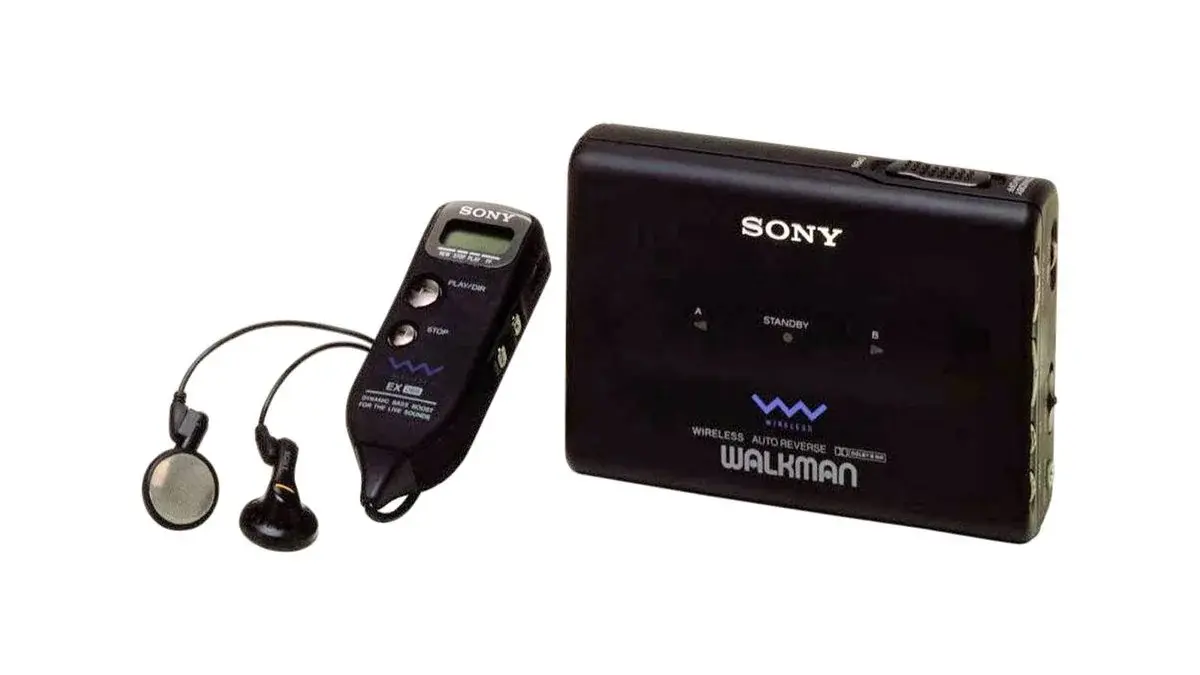
WM-805
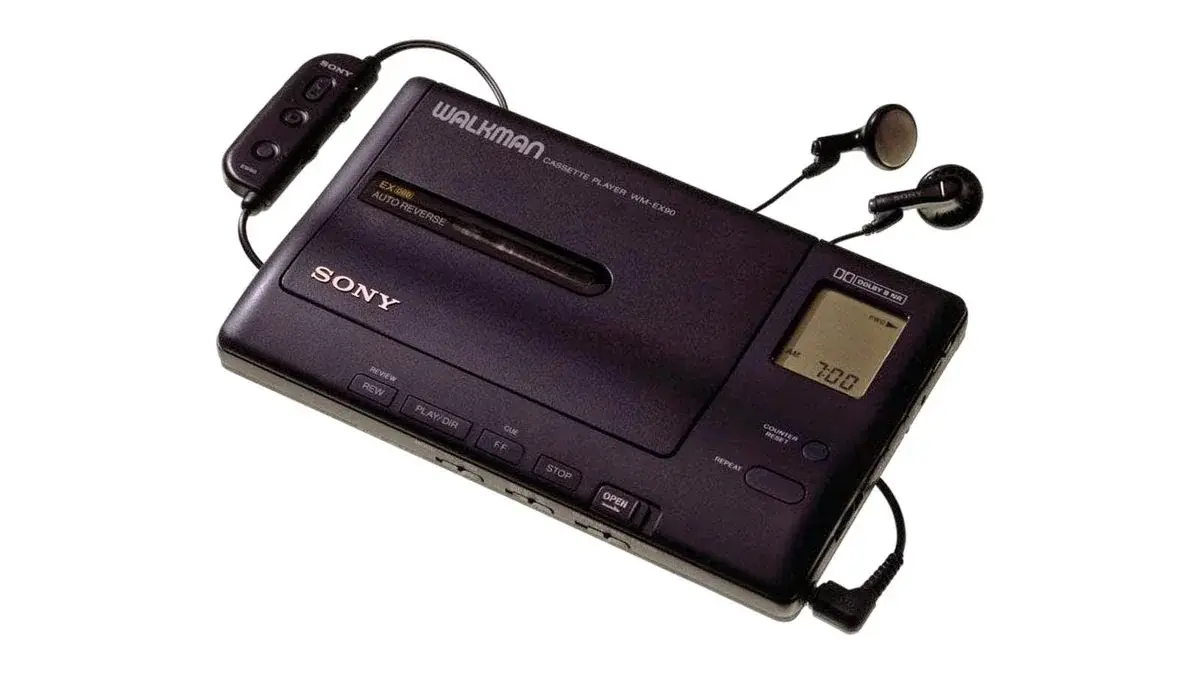
WM-EX90
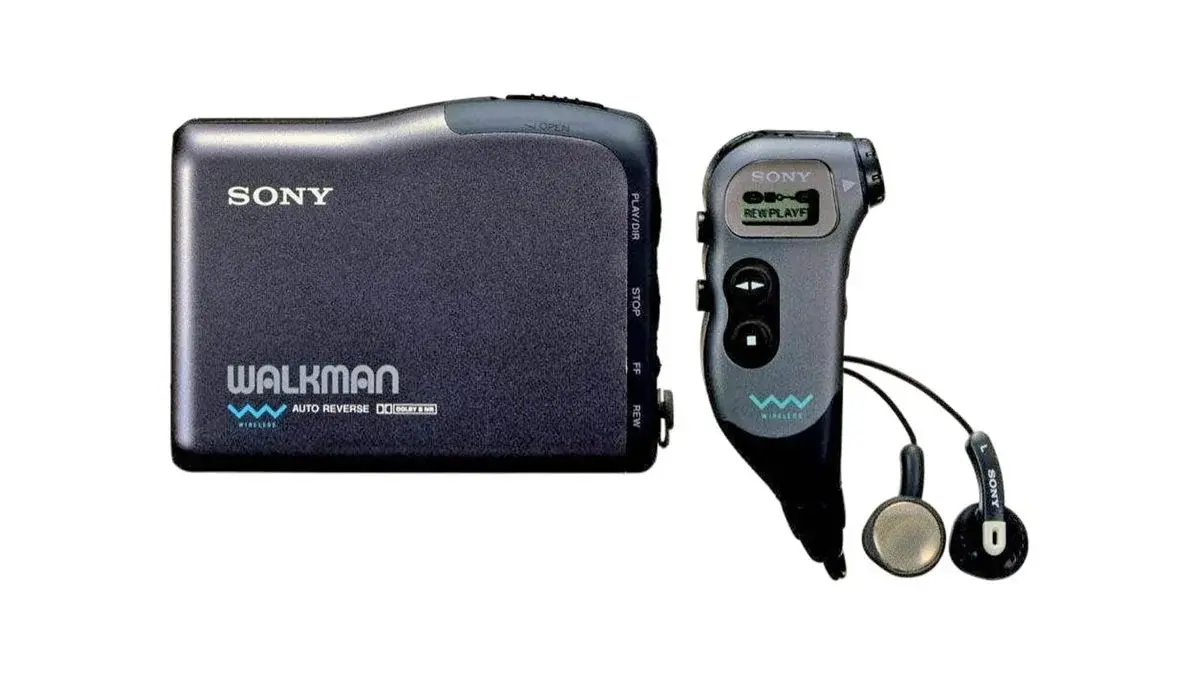
WM-WX88
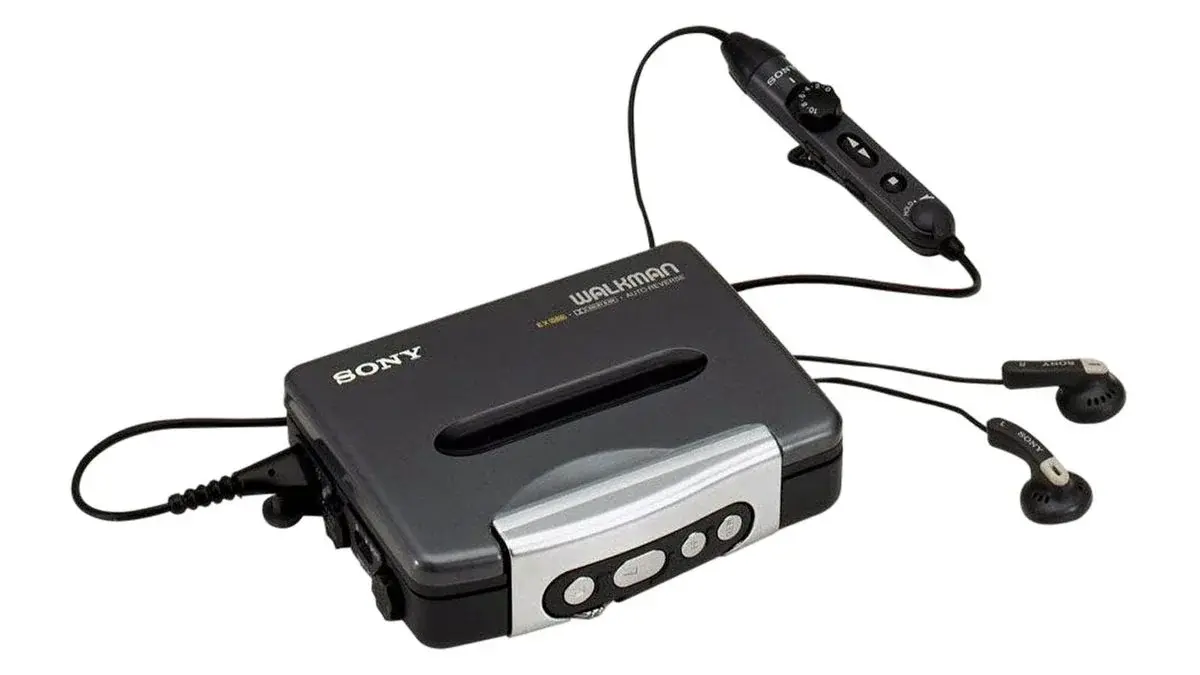
WM-SX77
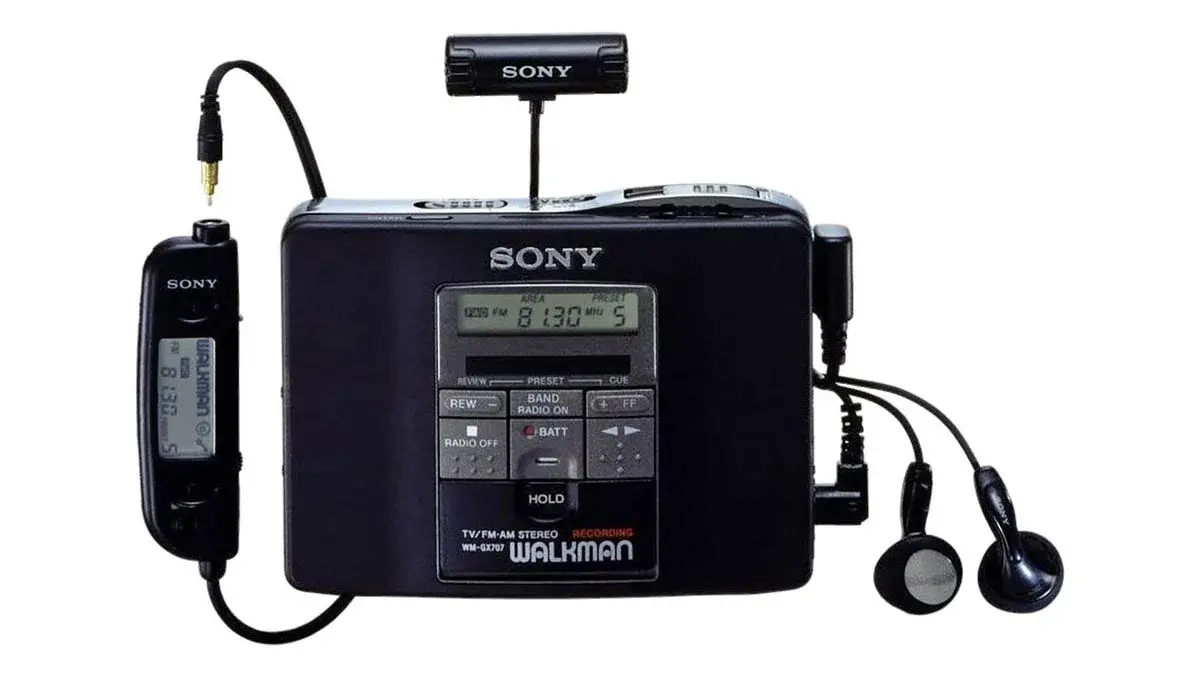
WM-GX707
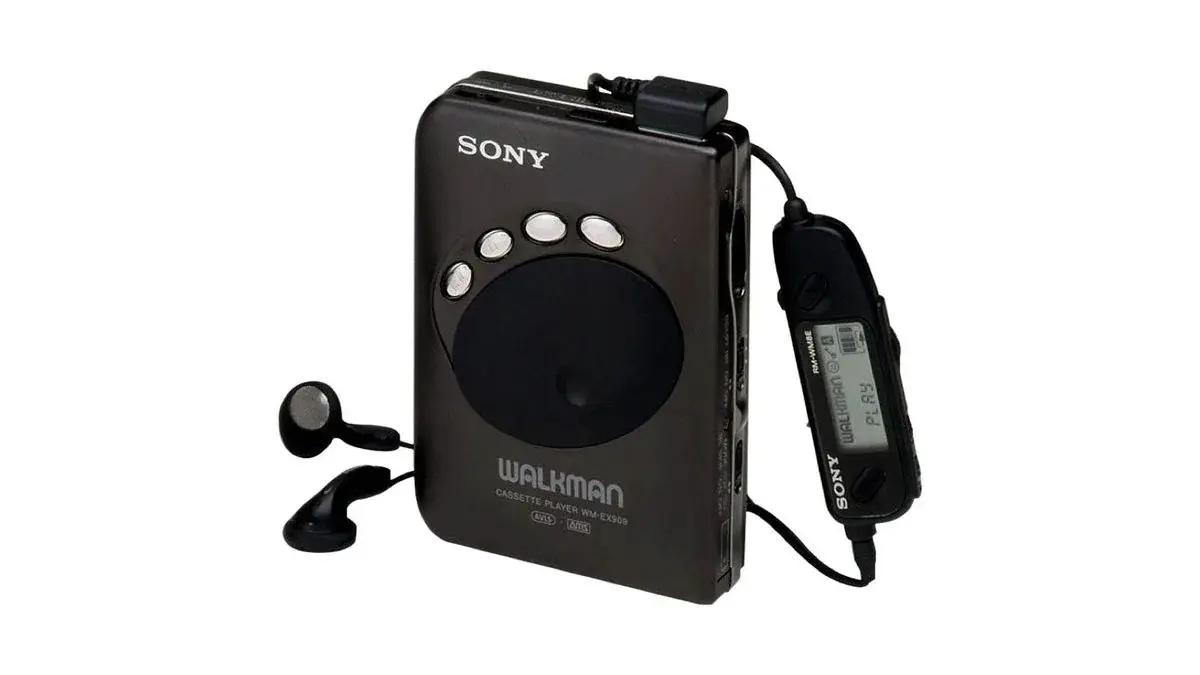
WM-EX909
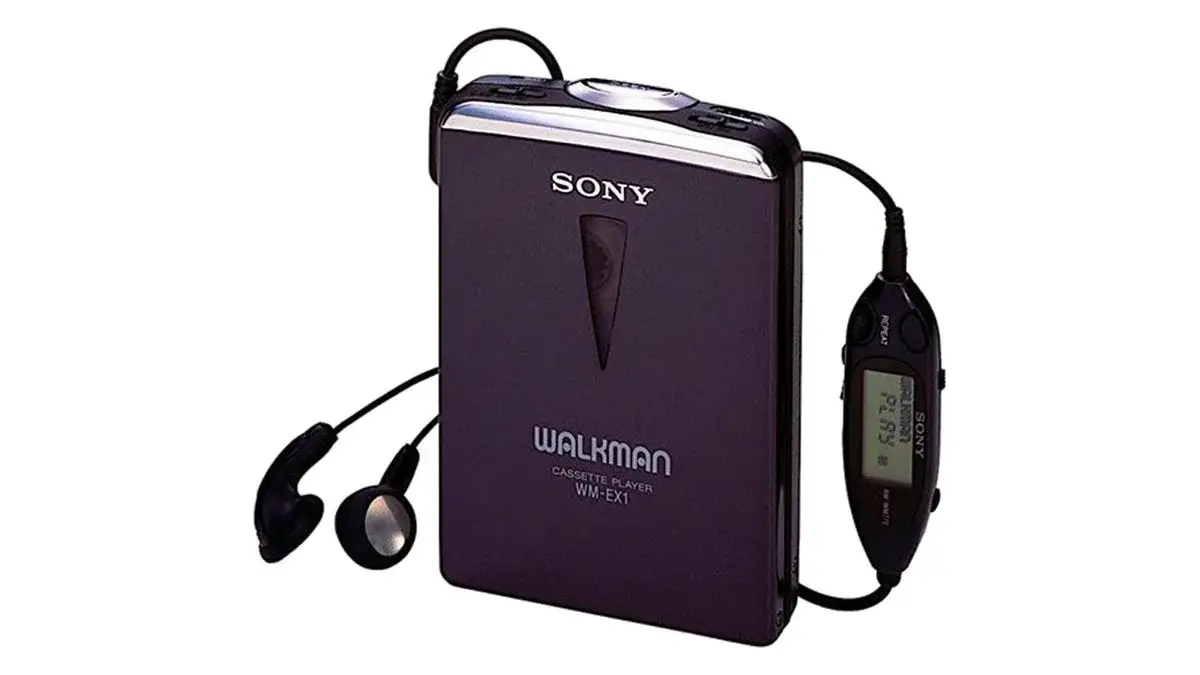
WM-EX1
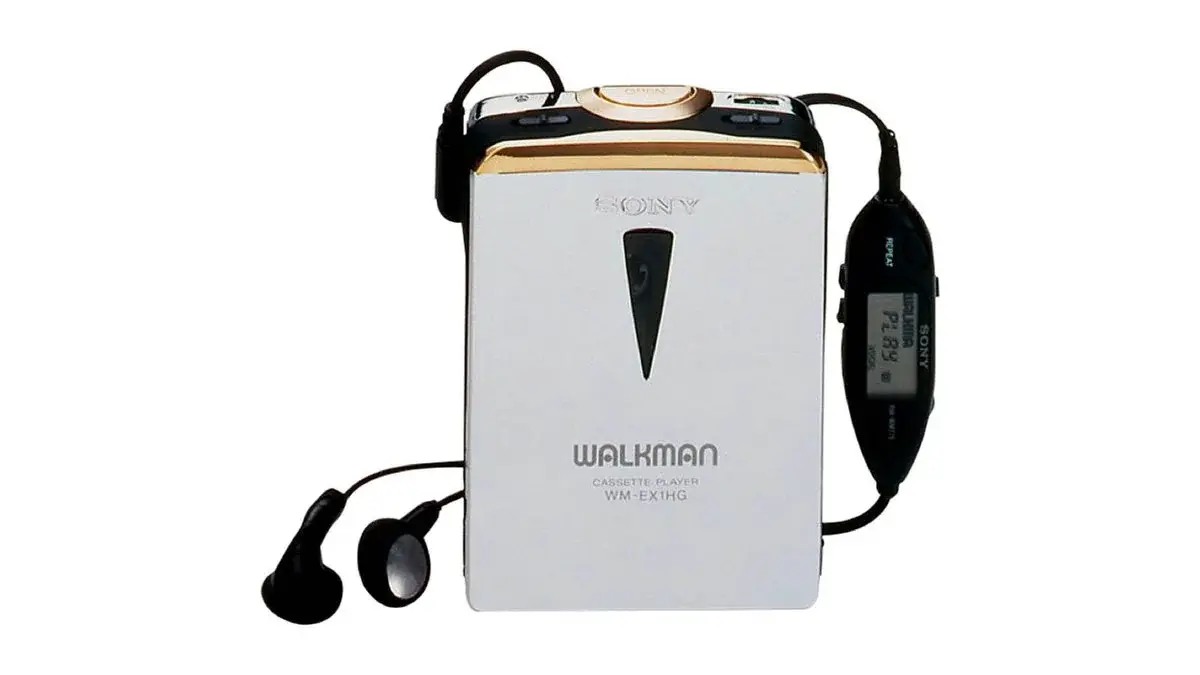
WM-EX1HG
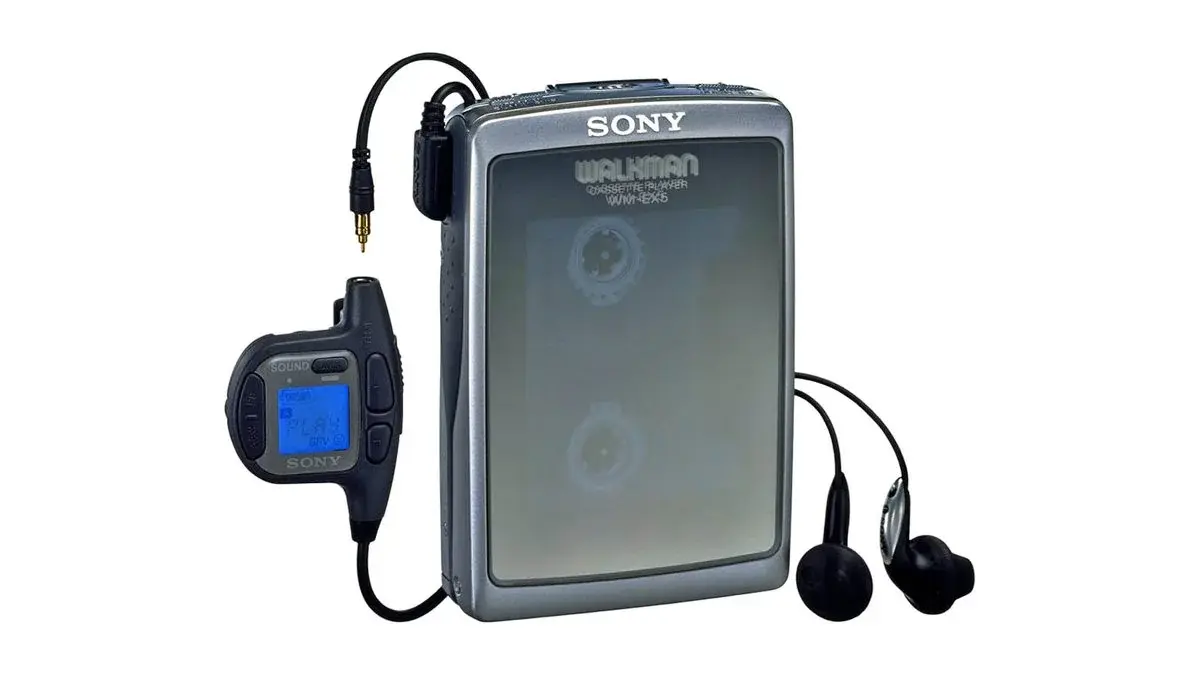
WM-EX5
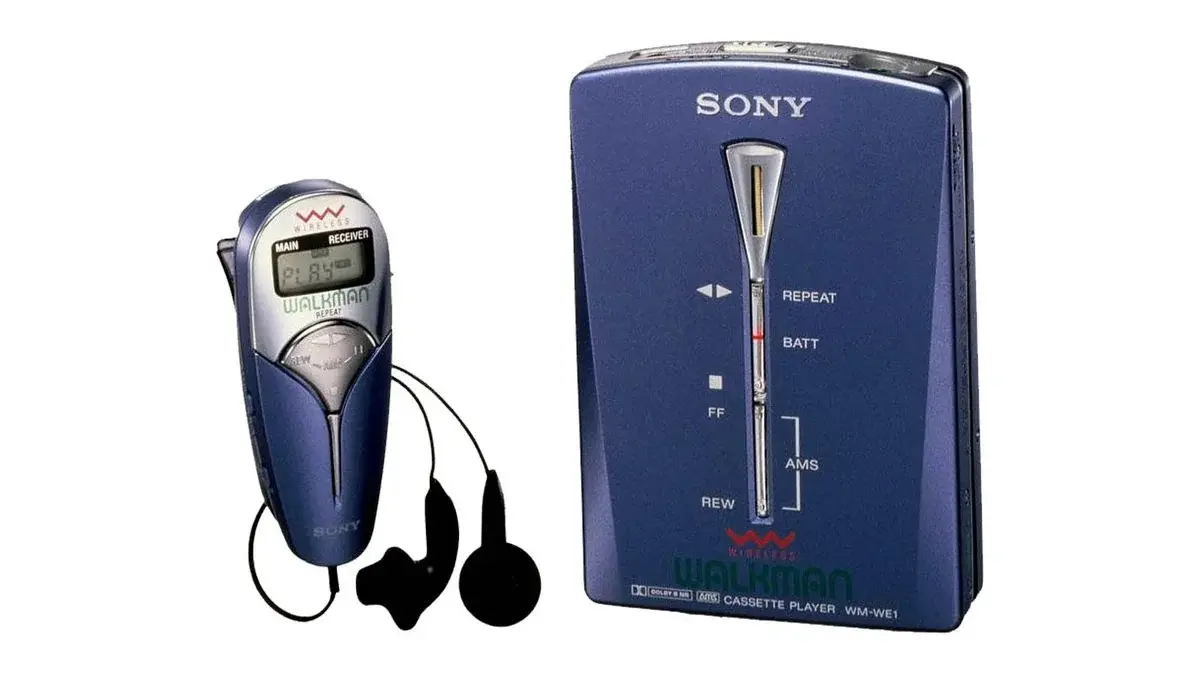
WM-WE1
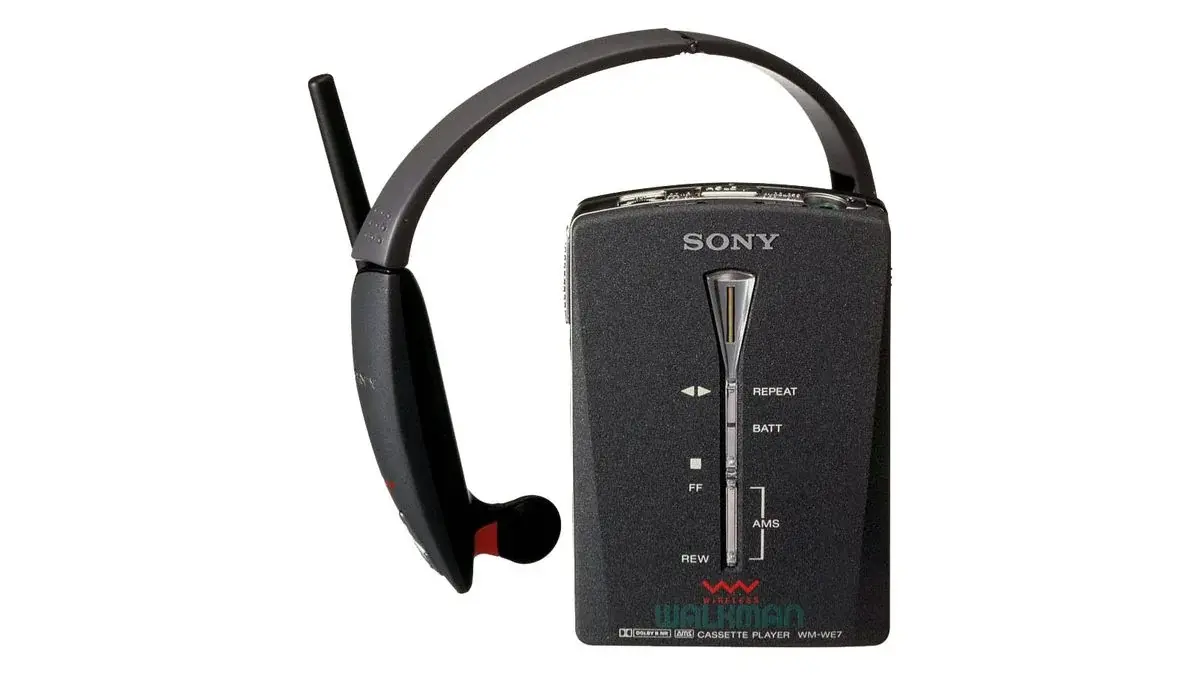
WM-WE7
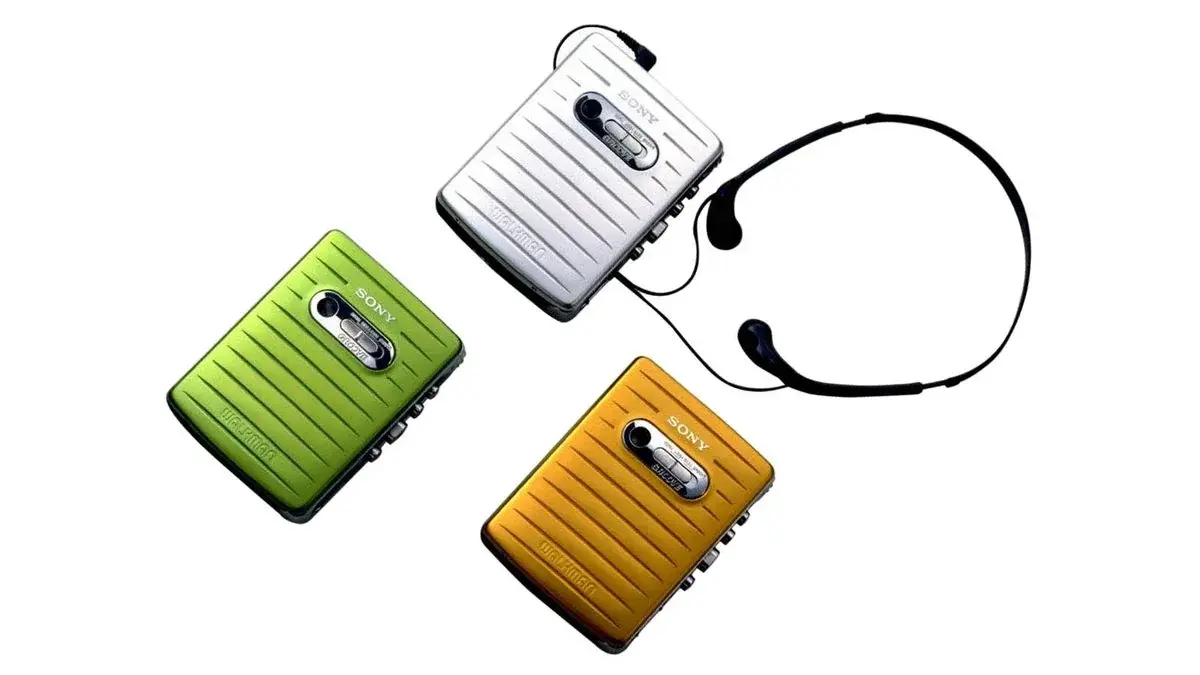
WM-MV1
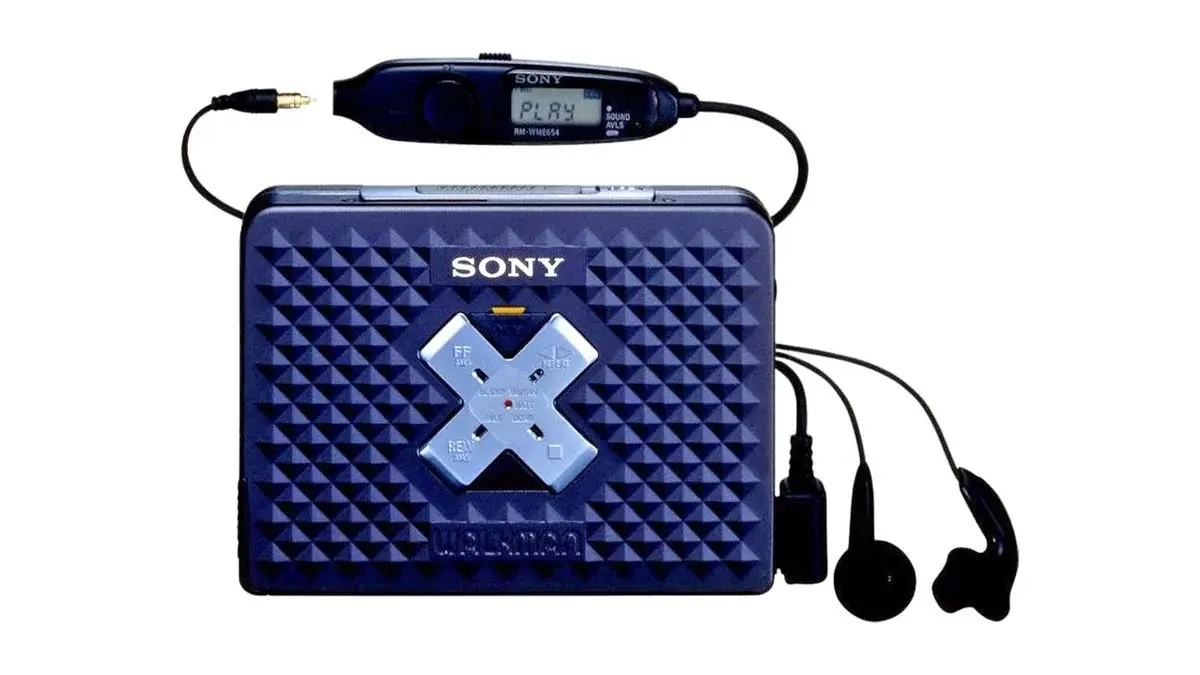
WM-EX655
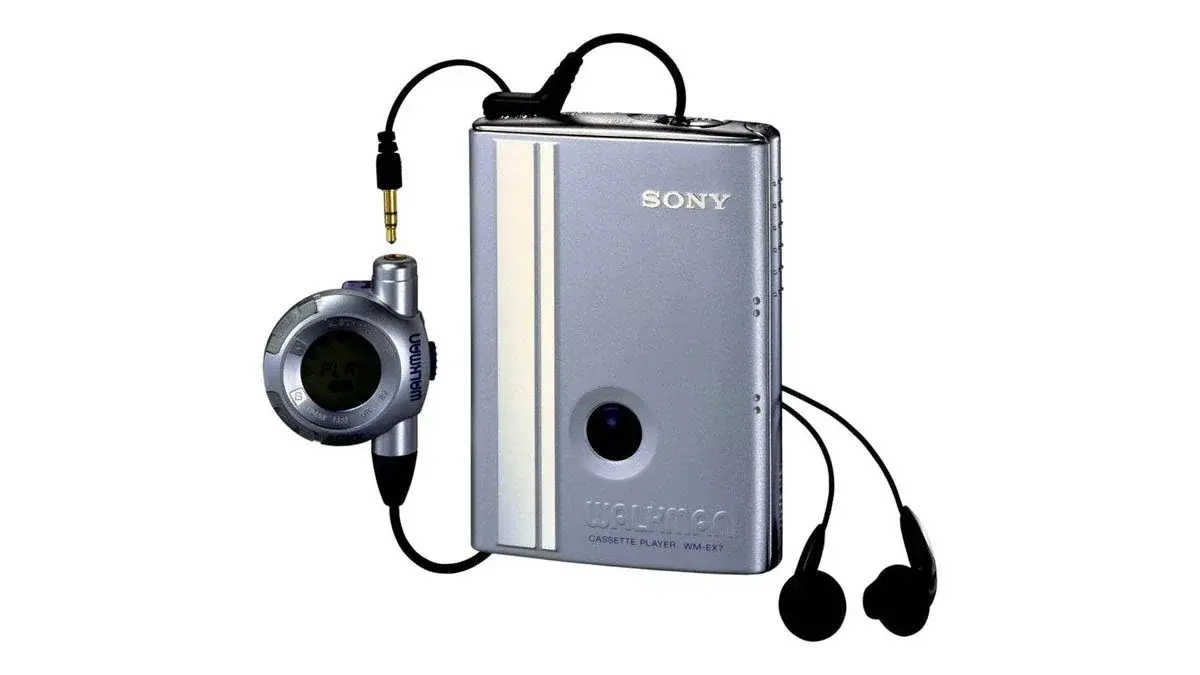
WM-EX7
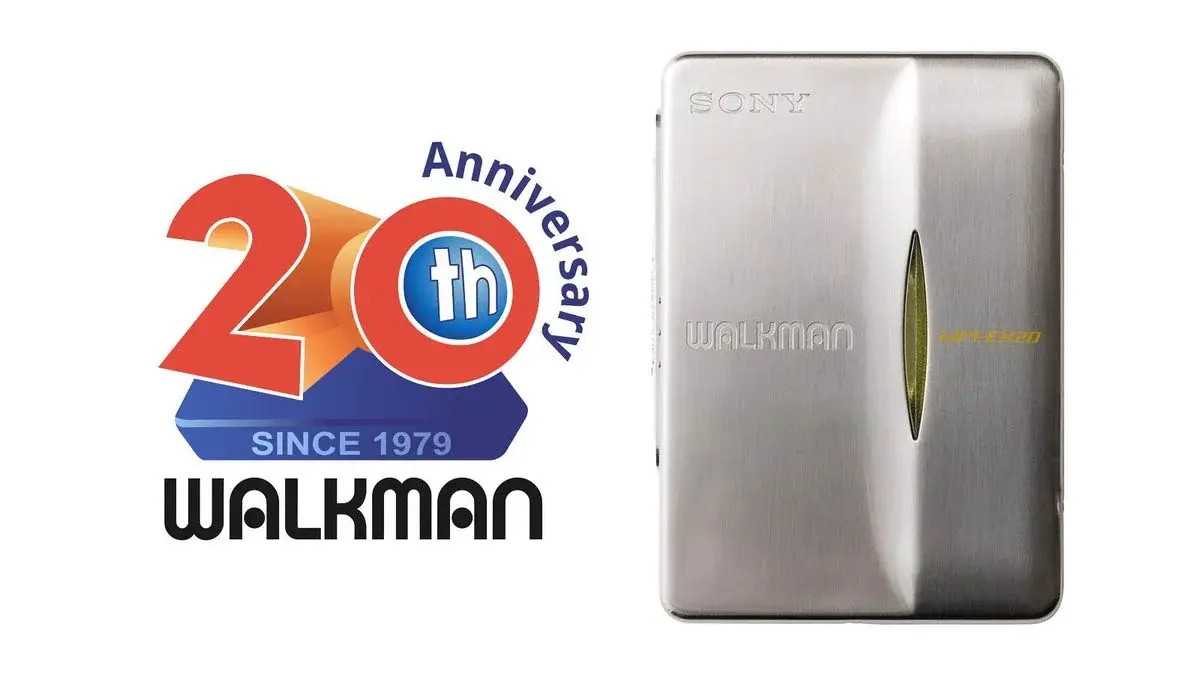
WM-EX20
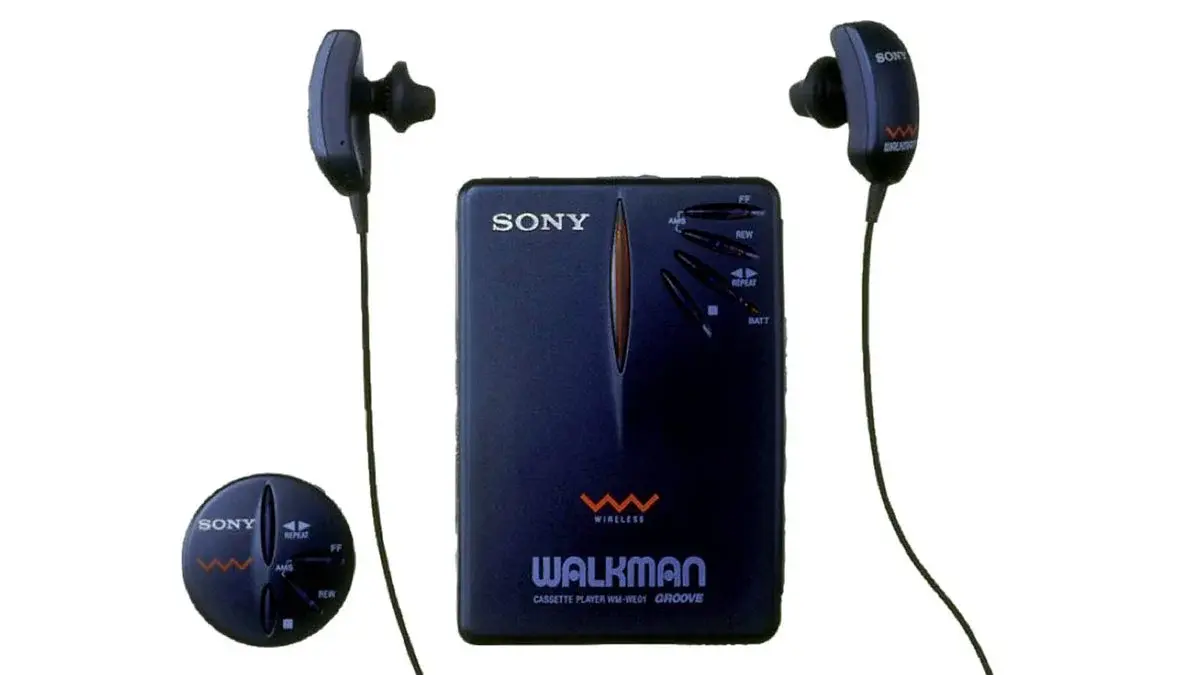
WM-WE01
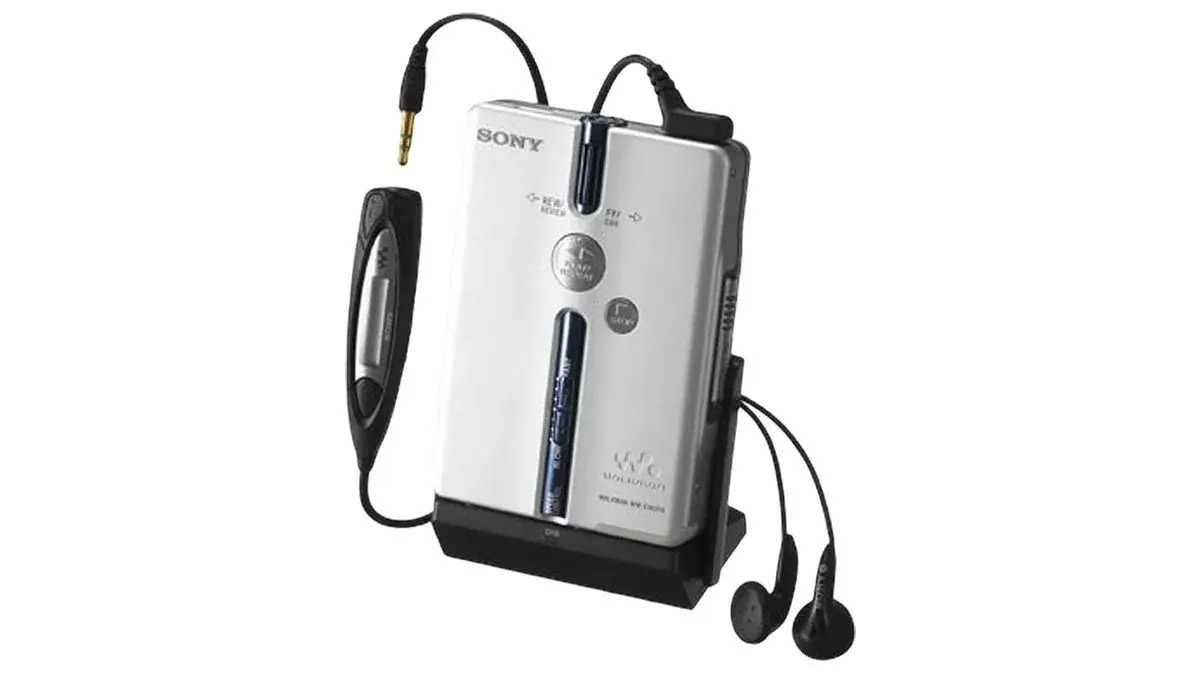
WM-EX651
The Walkman wasn't a boardroom strategy. It was four people, none of them in marketing, who refused to let a good idea stay theoretical.
ウォークマンは
会議室の戦略で
はなく販促とも
無縁の四人が
良い発想を理論
で終わらせず実現
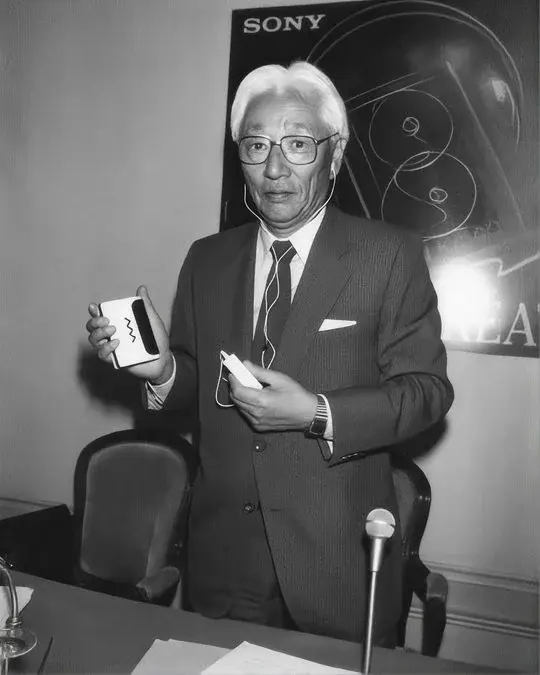
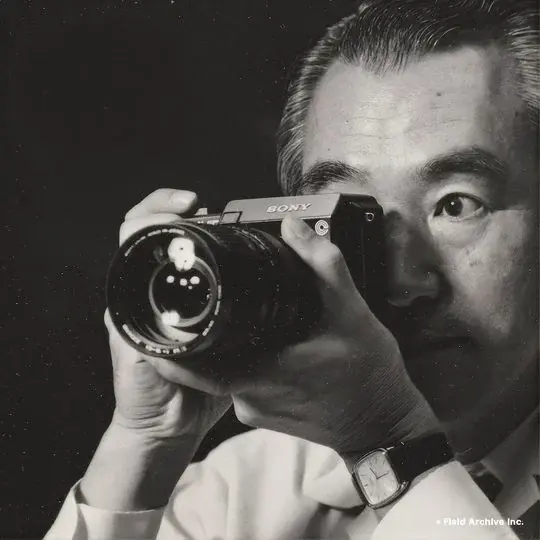
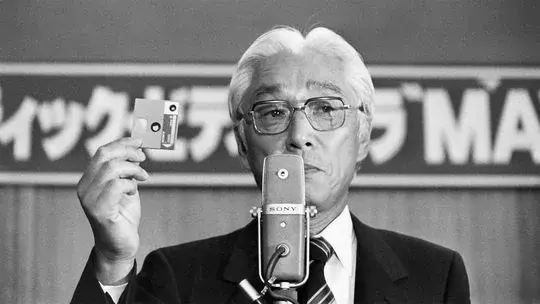
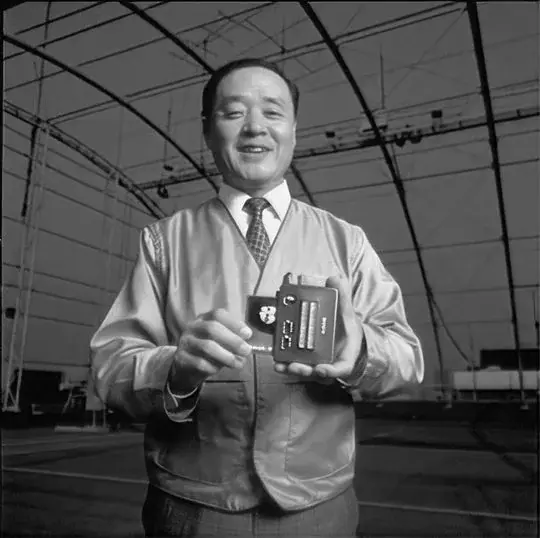
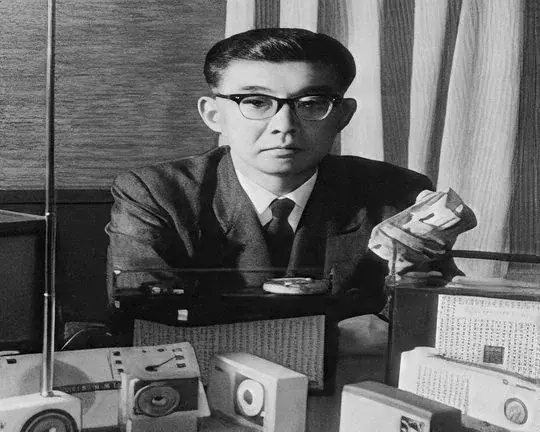

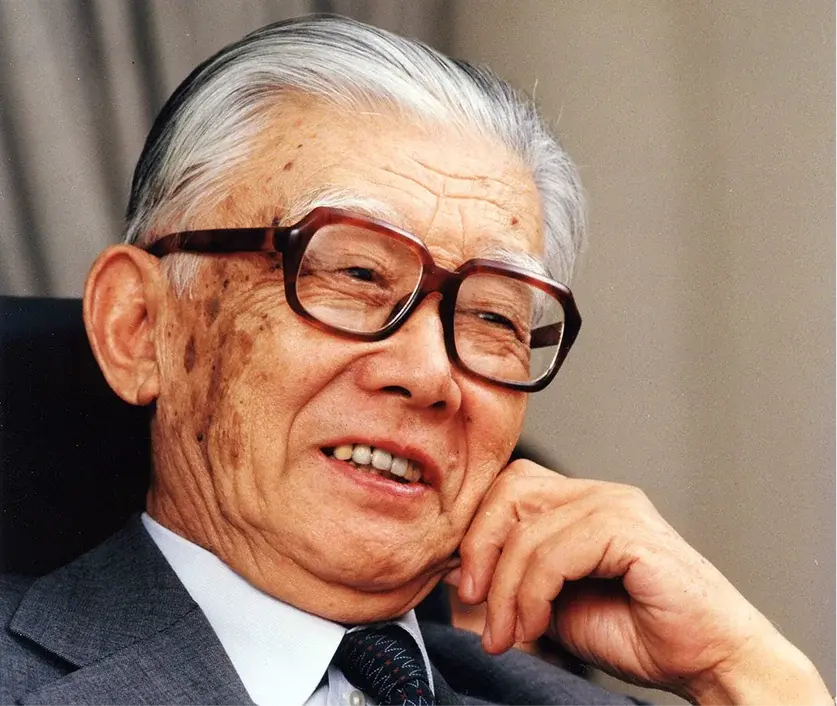
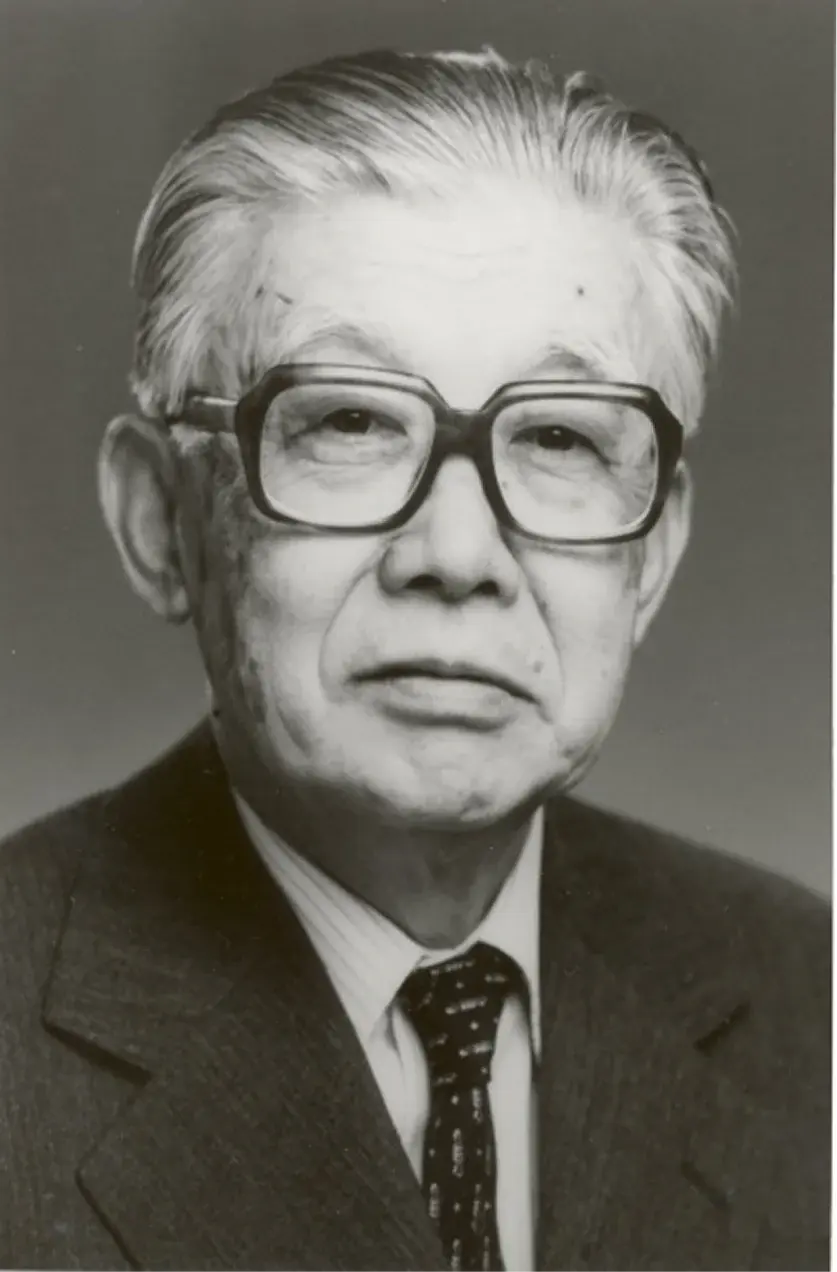
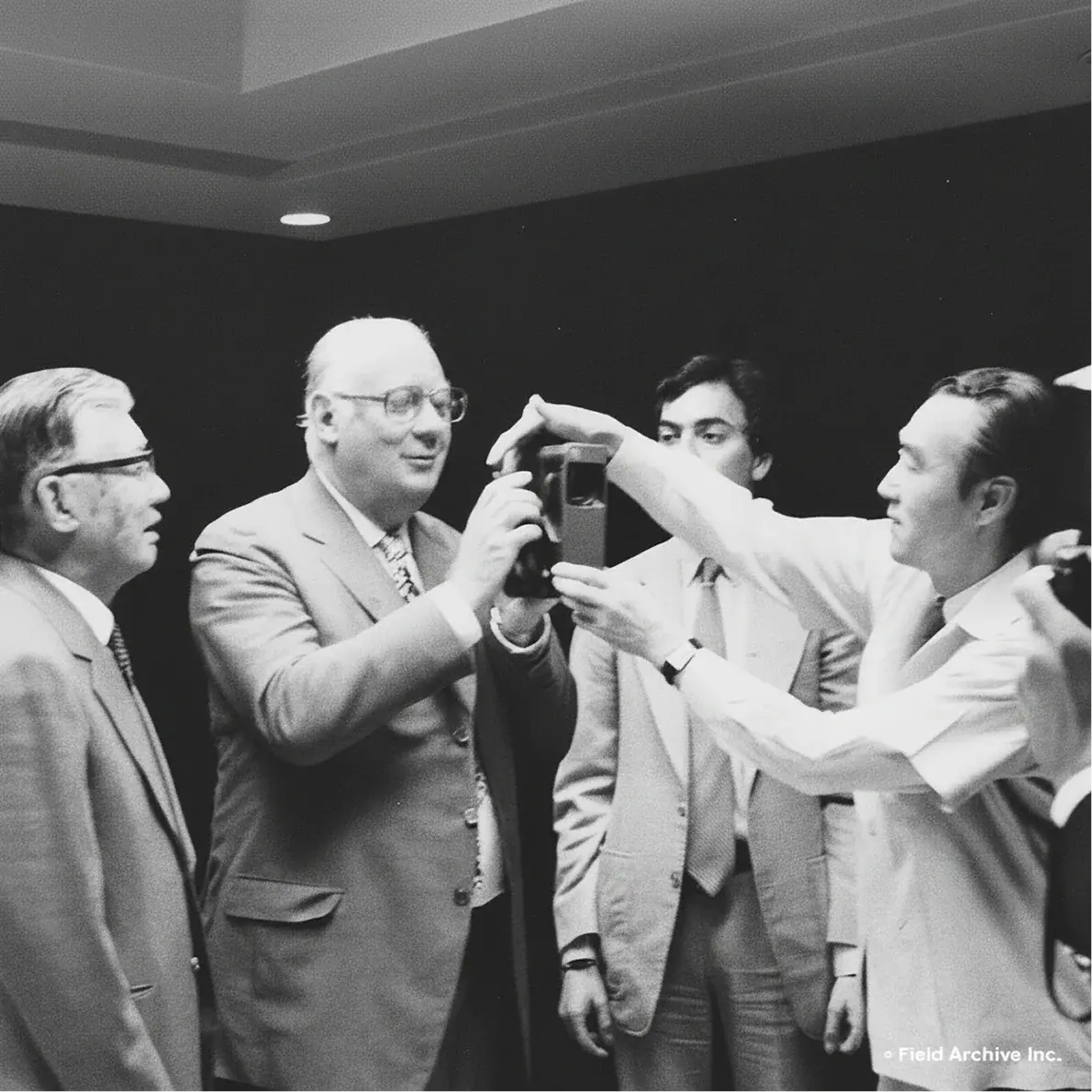
Masaru Ibuka
Masaru was tired of carrying a machine the size of a hardback book onto long flights just to hear opera. He didn't commission a study. He handed the problem to an engineer.
Before there was a Walkman, there was a co-founder who just wanted quiet on a long flight. Masaru Ibuka was tired of hauling Sony's own TC-D5 recorder onto planes just to hear opera. He didn't ask marketing for a plan. He asked an engineer for a smaller box.
He didn't design the Walkman himself, and he didn't write the marketing plan either. His whole contribution was a complaint and a request. Sometimes the most important role in a product's history is just being annoyed enough to ask for something better.
Ibuka wasn't chasing a product category, he was chasing a feeling: music that traveled as easily as he did. That one personal complaint became the spark for an entire product line, more than 40 models built on one man's refusal to keep carrying something heavy.

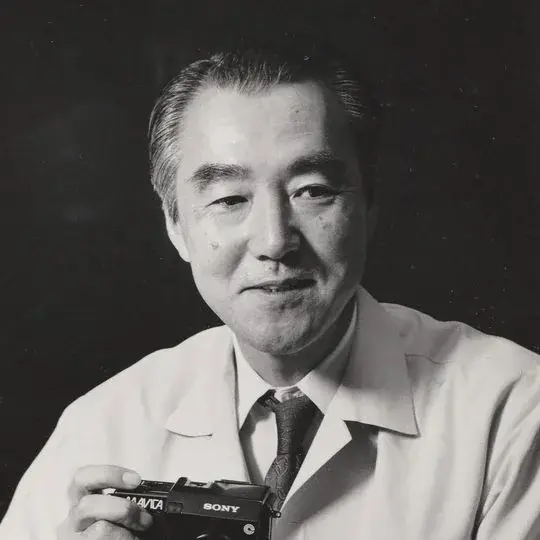
Nobutoshi Kihara
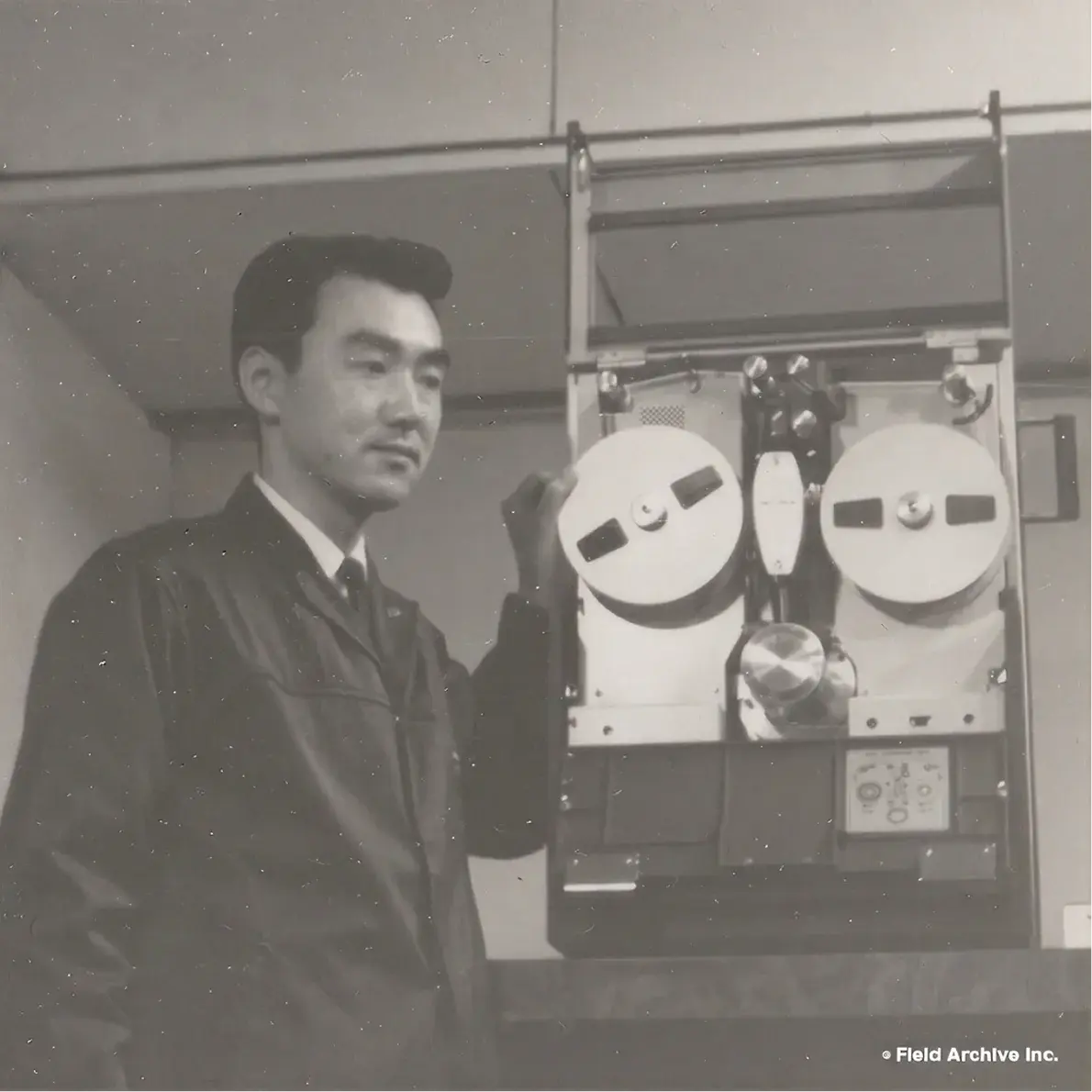
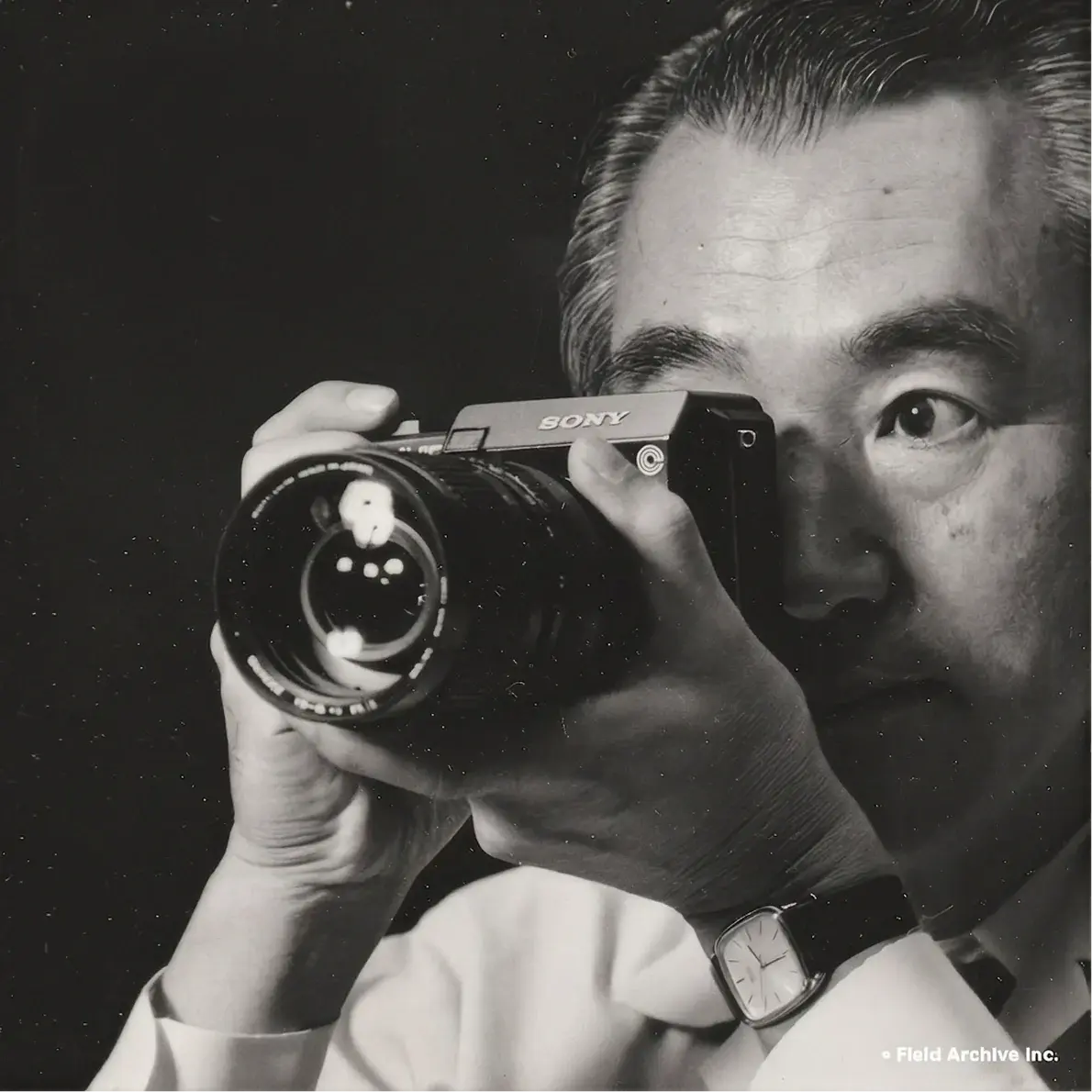
Known inside Sony as "Mr. Walkman" years before the name existed, Kihara gutted a Pressman recorder, stripped the speaker and the recording head, wired in a stereo amp, and had a working prototype in days, not months.
Ibuka had the complaint. Nobutoshi Kihara had the hands. When his boss asked for something lighter to listen to opera on, Kihara didn't run tests or draw up plans, he pulled apart a Pressman recorder, stripped out the speaker and the recording head, wired in a stereo amp, and had a working prototype in days. Inside Sony, people had already started calling him "Mr. Walkman," years before the product even had a name.
And this wasn't beginner's luck. Kihara had already built Japan's first tape recorder, helped create its first transistor radio, and led the team behind Sony's earliest home video recorders. By the time Ibuka walked into his office, he was known for turning a hallway conversation into a finished machine almost overnight. The Walkman wasn't his first miracle. It was just the one that made him famous outside the company building.

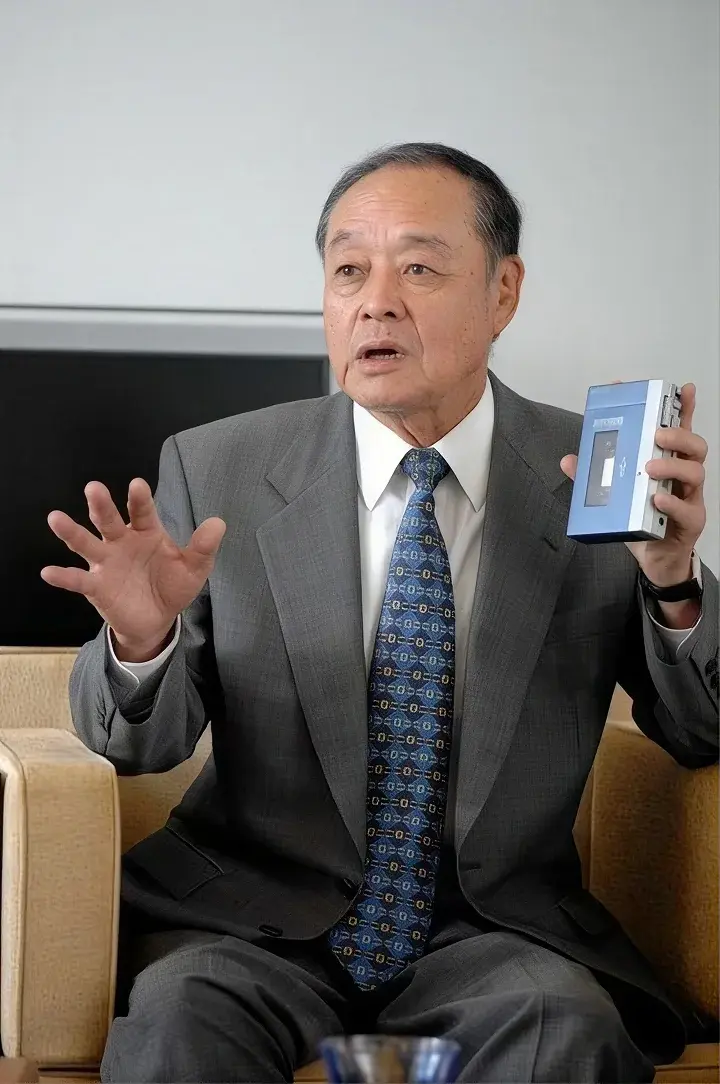
Kozo Ohsone
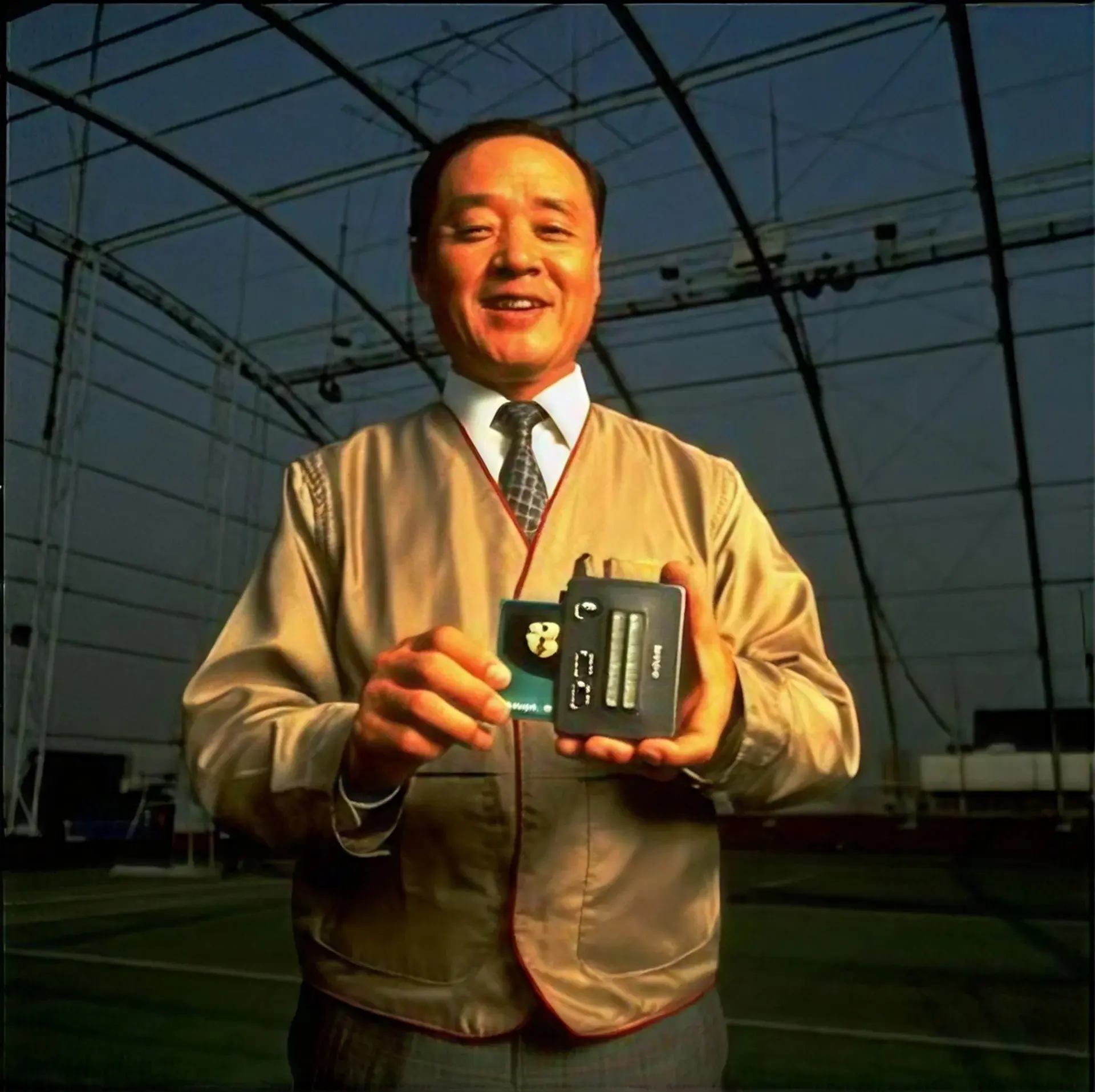
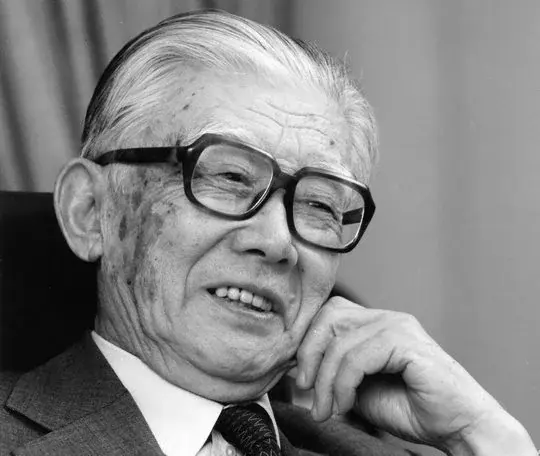
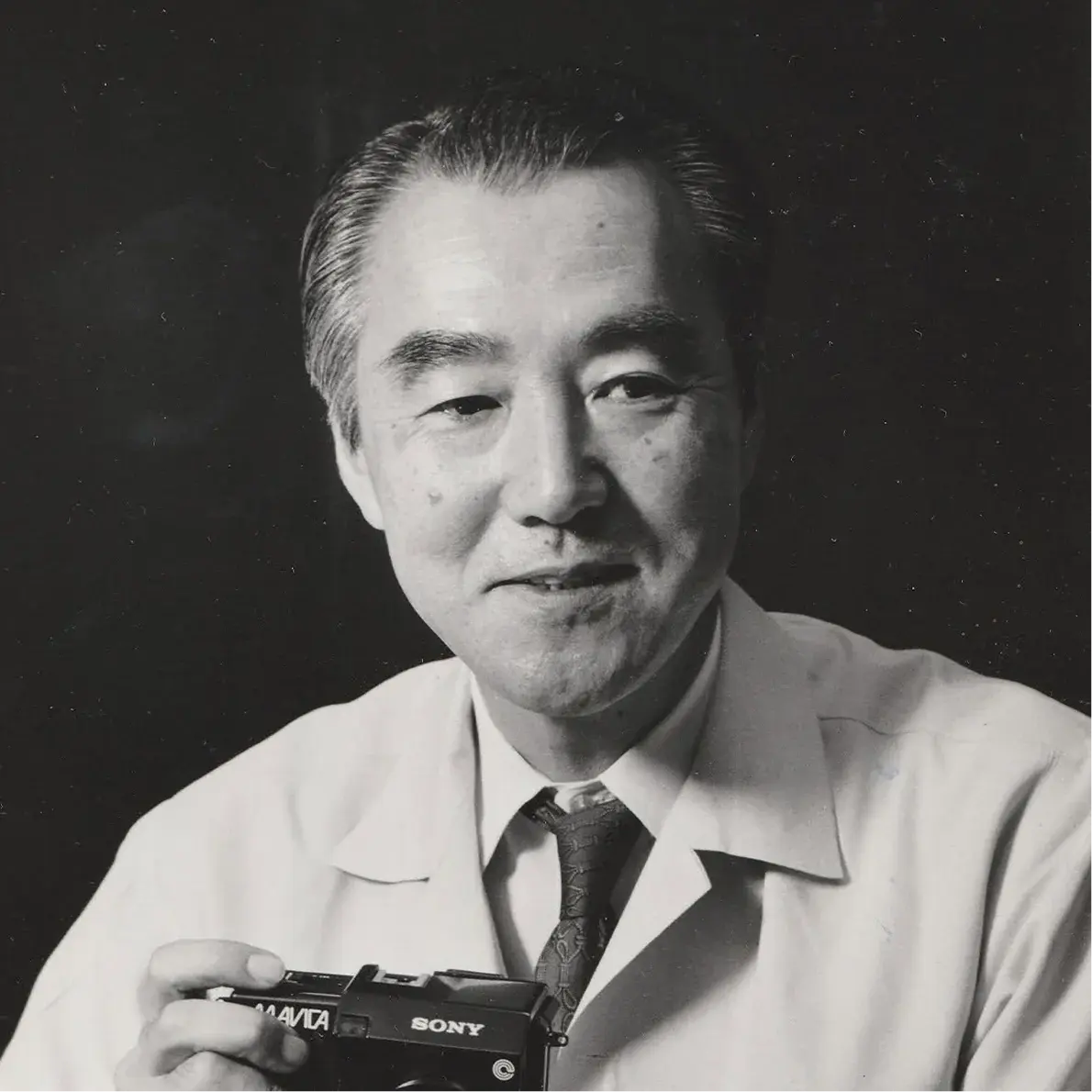
Kozo Ohsone, the one who made it real, was running Sony's Tape Recorder Division. Ohsone and his team took Kihara's one-off prototype and turned it into a product Sony could actually build at scale: the TPS-L2.
Kozo Ohsone ran Sony's Tape Recorder Division right after it had been gutted in a reorg, left with barely any products to justify its own existence. The personal stereo project wasn't just an assignment for him, it was a lifeline.
He took Kihara's rough, one-off prototype and turned it into something Sony could actually build and sell at scale, working out details like the dual headphone jacks and talk-through button along the way.
He also had to hit Morita's brutal four-month deadline. Ohsone rarely gets top billing in the Walkman story, but without him, the prototype would have never become a product.

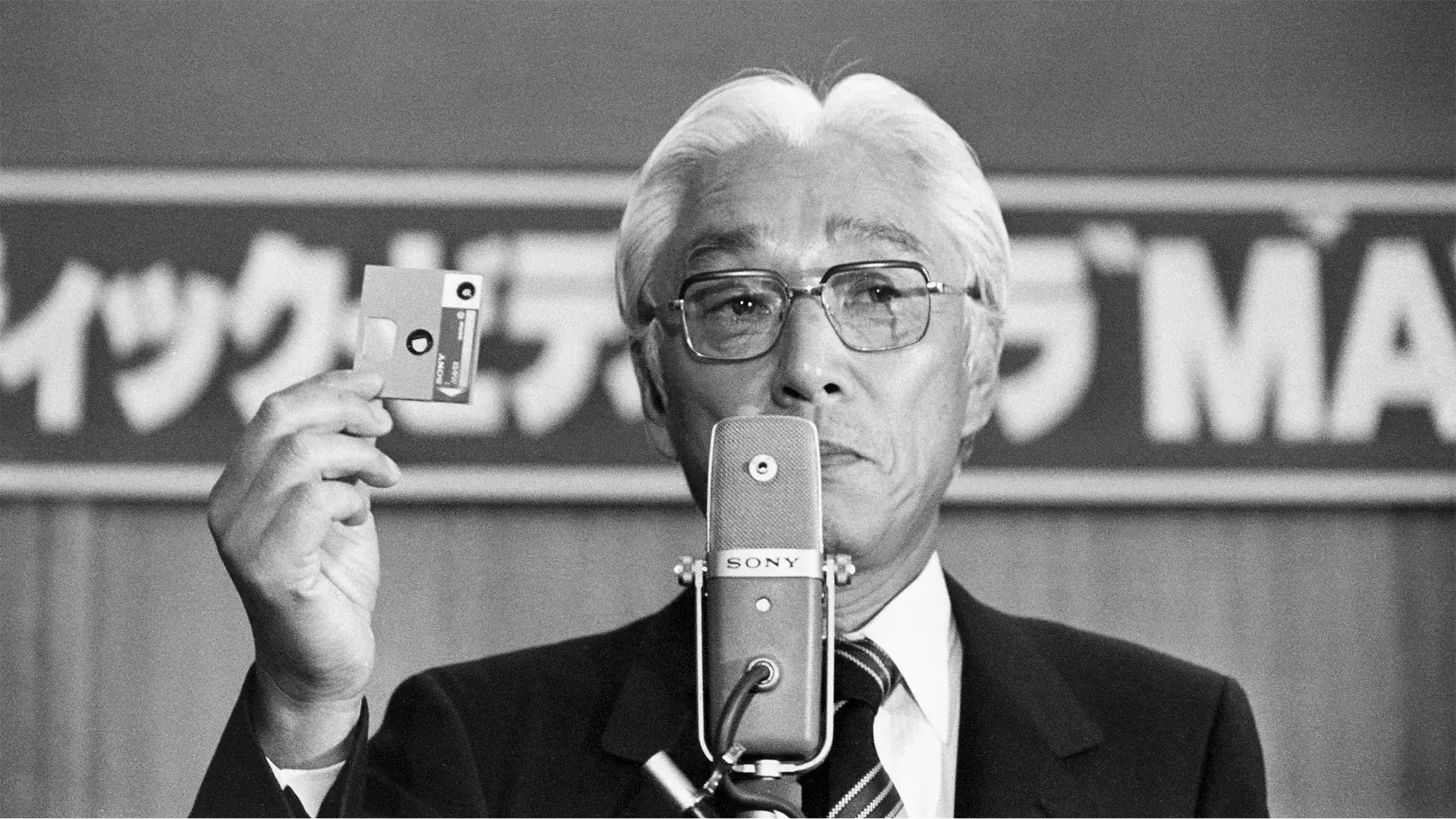
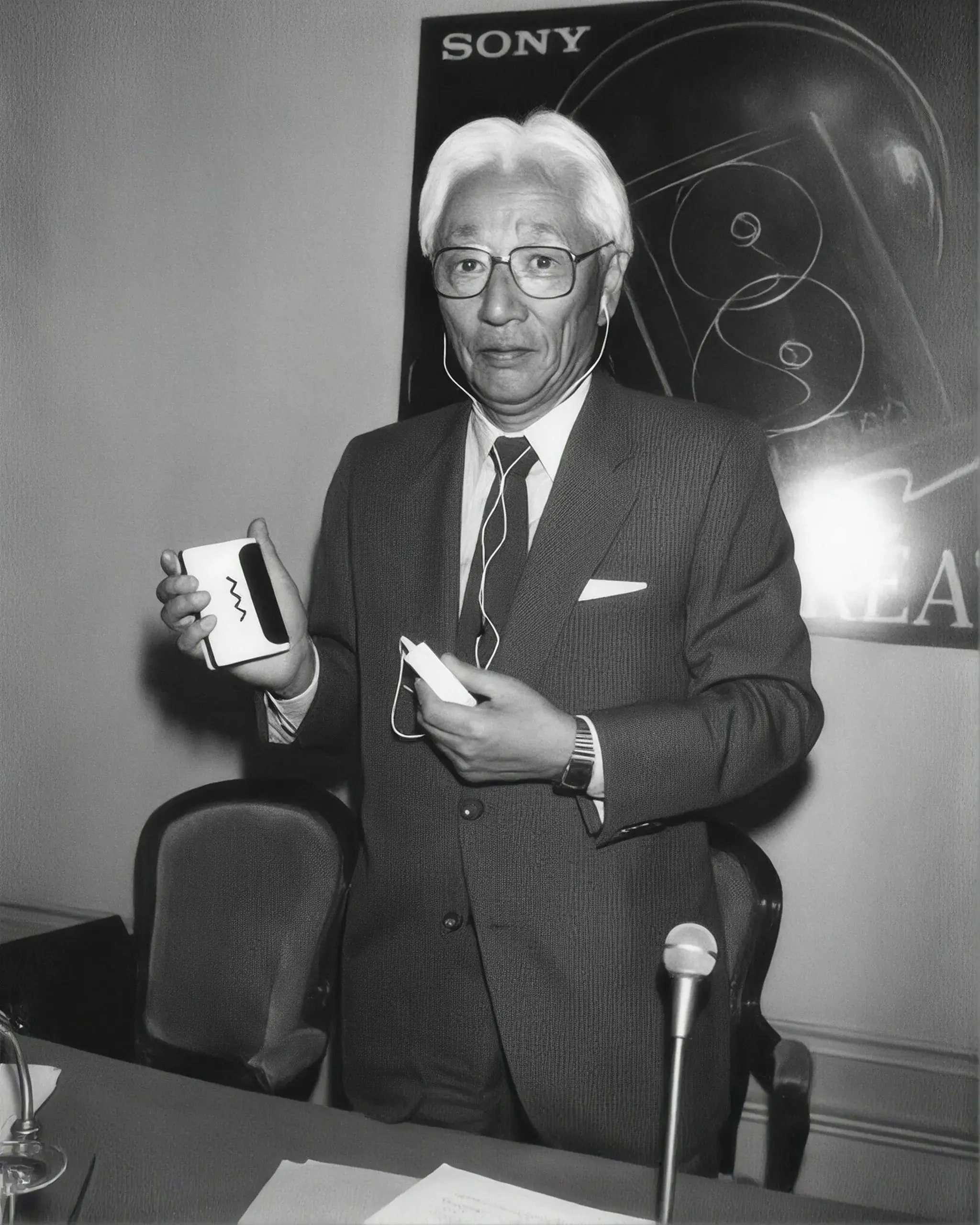
Akio Morita
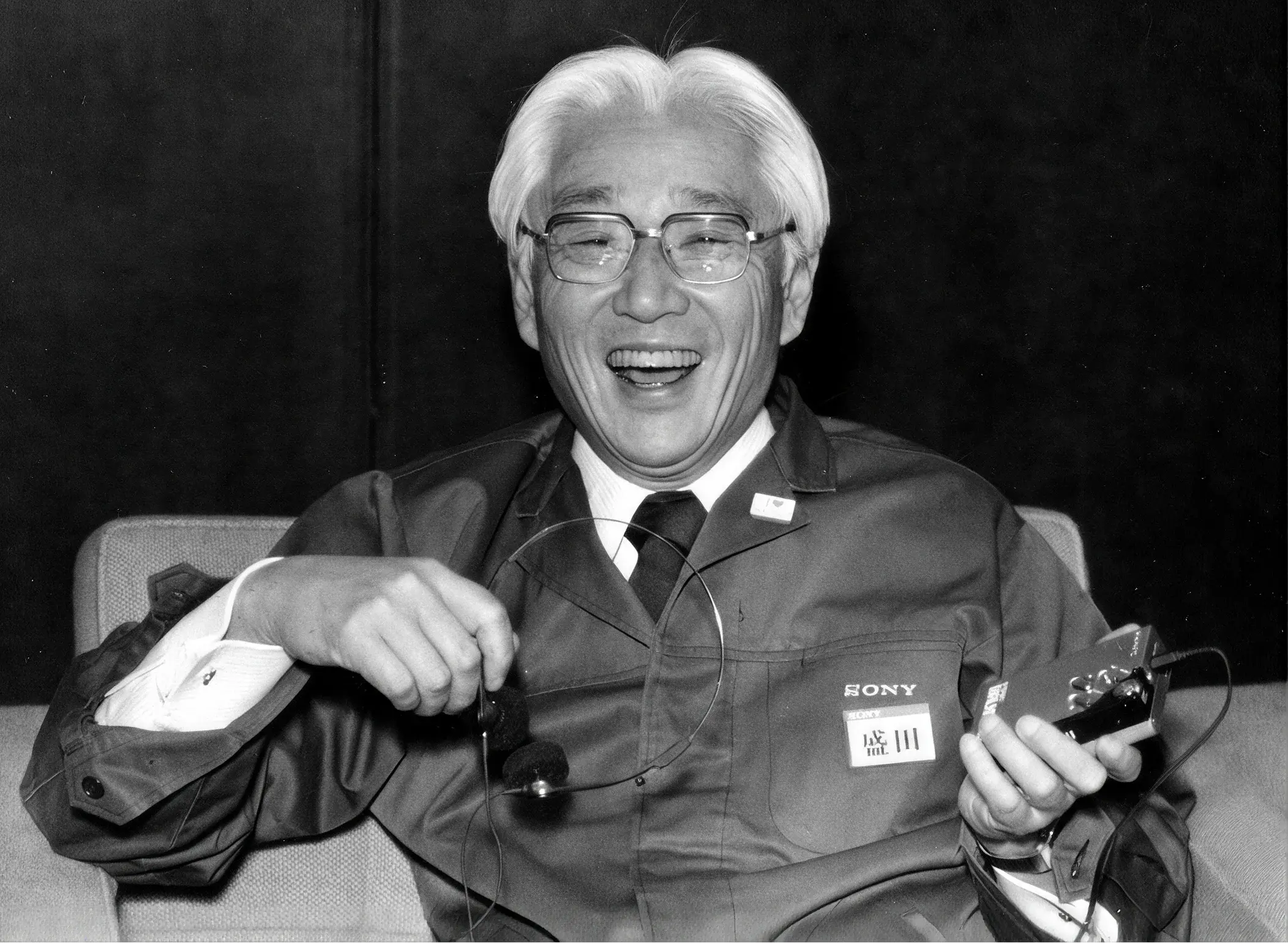
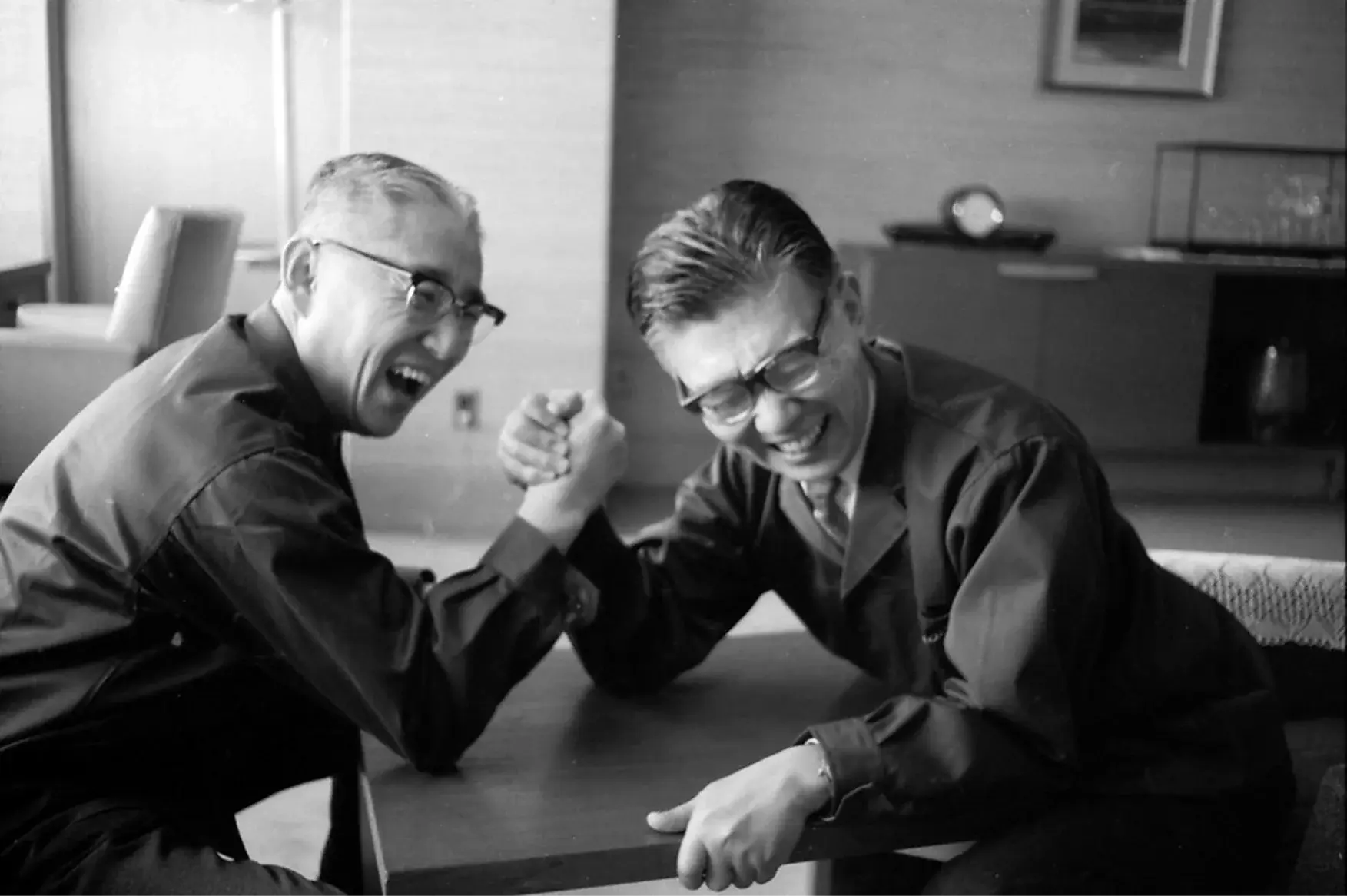
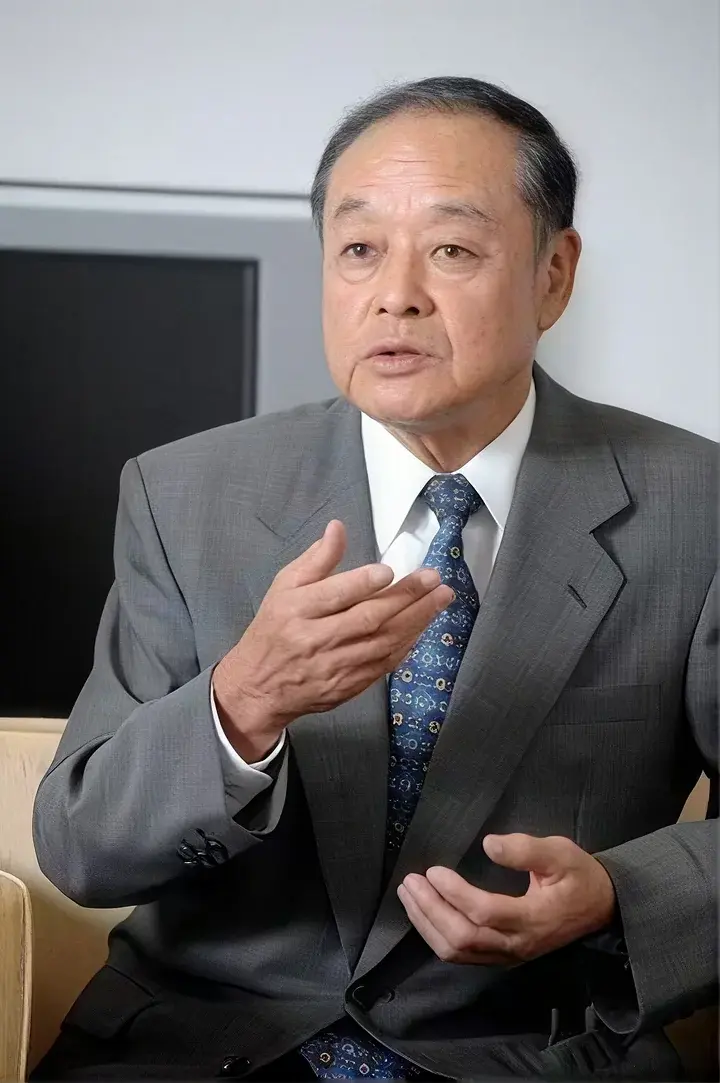
Sony's president tested the prototype with his golf partner, then overruled his own marketing department, ordered 30,000 units against a forecast of 5,000 a month, and personally demoed the device to commuters to prove it would sell.
Akio Morita didn't just approve the Walkman, he forced it past his own company's doubts. When engineers and marketing balked at a tape player that couldn't record, and internal forecasts capped out around 5,000 units a month, Morita overruled everyone, ordered a production run of 30,000 units, and reportedly staked his job on it. He tested an early prototype with his golf partner before he ever tested it on the public, treating his own instincts as the real market research.
Once it existed, he sold it personally, demonstrating the device to commuters and office workers himself rather than leaving it to a launch campaign. Years later, he even wrote out his own reflections on the product by hand, a document later published as "ウォークマン考" ("Thoughts on the Walkman"), showing how much he considered it his own legacy rather than just another Sony release. Of the four people behind the product, Morita is the only one who spent the rest of his career being asked about it.
official
sony
website